Commercial value is never just rent times a cap rate. In Middlesex County, environmental realities sit right alongside lease terms and market comps. Flood maps can redraw risk overnight. A 1970s factory with a stained slab may carry a cleanup obligation heavy enough to kill a refinance. A roof covered in solar can lift net operating income, but it can also complicate roof replacement and lender consent. The work of a commercial appraiser in Middlesex County lives in this terrain, where soil, water, air, and policy shape the income stream as much as the tenants do.
A county where land remembers its past
Middlesex County, New Jersey, grew on industry and transportation. The Raritan River cuts through New Brunswick and Sayreville to Raritan Bay. Carteret and Perth Amboy look across to Staten Island and the Arthur Kill. Rail and Turnpike spurs created prime logistics locations in Edison and Woodbridge. The same assets, proximity to water and heavy use, also left a legacy. Many sites carry a history of fill, wetlands alteration, or prior uses that trigger environmental diligence every time a property changes hands or collateral gets reappraised.
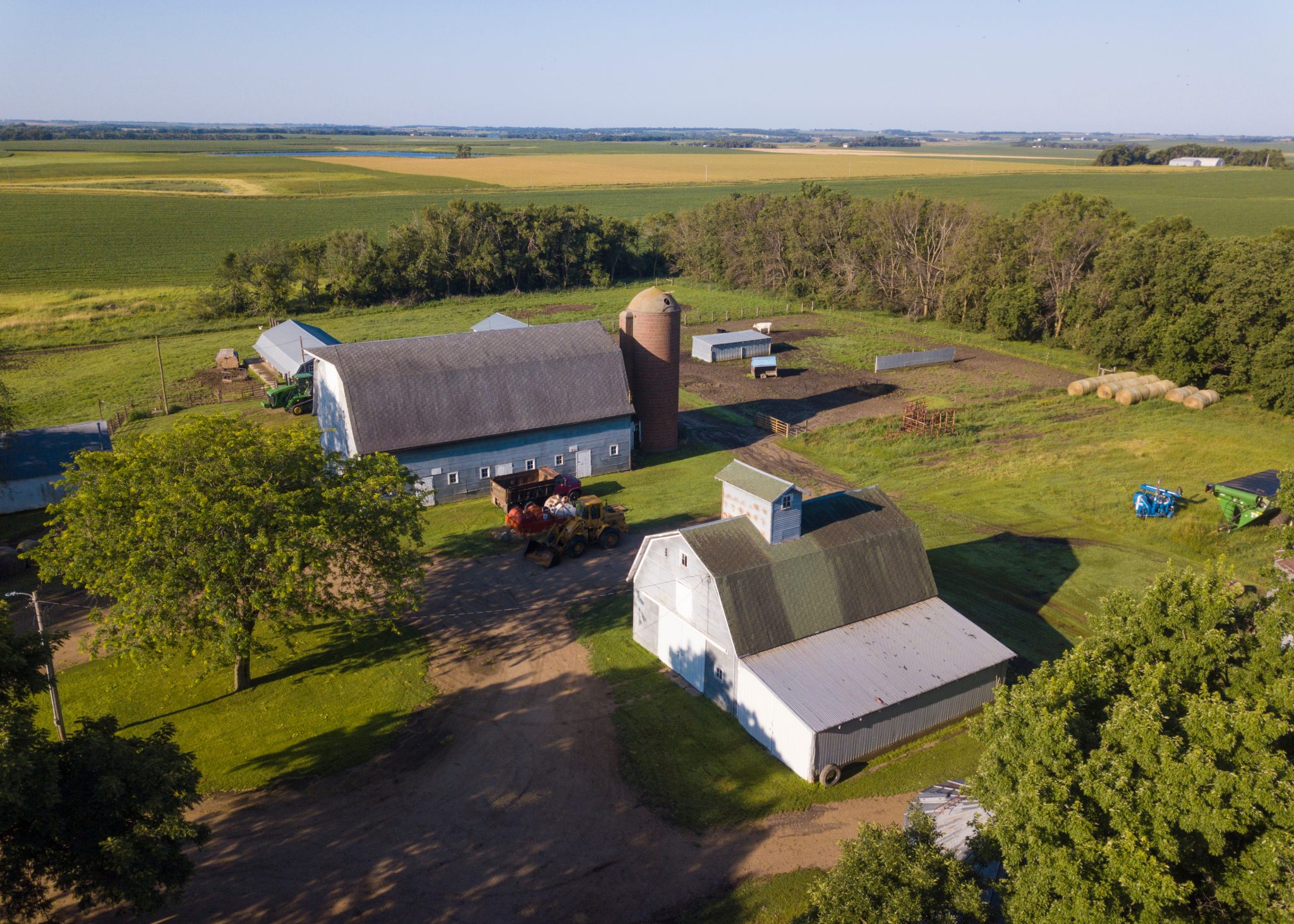
For a commercial real estate appraisal in Middlesex County, the local context matters. The county includes tidal reaches influenced by storm surge, low-lying inland parcels that flood during intense rain, and clusters of former manufacturing properties now repositioned as flex, cold storage, or last mile warehouses. NJDEP rules, municipal stormwater ordinances, and FEMA flood mapping interact in ways that can help or hurt value depending on a site’s specifics and an owner’s paper trail.
How environmental factors express themselves as value
On paper, USPAP reminds appraisers to be competent in recognizing when environmental matters may affect value, to cite extraordinary assumptions when necessary, and to rely on qualified third-party analyses rather than guessing. In practice, five pathways show up repeatedly in Middlesex County assignments.
First, risk pricing. If a property sits in a FEMA AE zone on the South River or near the Arthur Kill, buyers will widen their cap rates to account for flood exposure and potential interruptions. Evidence of floodproofing, elevating electrical systems, or reliable flood insurance reduces that spread.
Second, cost to cure. Contamination, failing stormwater systems, or wetlands disturbances come with defined costs. In appraisal analyses, those usually appear either as a direct deduction from value or as increased cap rates tied to perceived uncertainty and execution risk.
Third, constraints on redevelopment. Many Middlesex sites are worth more as modern warehouses than as obsolete light manufacturing, but the presence of wetlands, buffers, or capped areas can limit building footprints and truck circulation. That reduces highest and best use and pushes values down.
Fourth, operating expense variability. Energy waste in older buildings with original RTUs or T12 lighting raises OPEX and drags NOI. Green retrofits and solar production can move the other way, often with clearer, faster paybacks in energy-intensive uses.
Fifth, marketability. Properties with straightforward environmental documentation, current NJDEP case status, and clean stormwater permits close faster. Lenders like predictability. Time kills deals. Clarity is value.
Flood exposure, surge, and storm-driven downtime
FEMA mapping for Middlesex County shows AE and VE zones along the Raritan River and Bay shorelines, with inland fingers up tributaries like the South River and Rahway River. Appraisers are not hydrologists, but we see how this plays out in cash flows. Tenants factor flood risk into business continuity. Insurance carriers are adjusting premiums and, in some coastal enclaves, deductibles. On the ground, electrical switchgear sitting two feet off a warehouse floor can translate to weeks of downtime after a high-water event.
In valuation work, flood risk typically shows up in the income approach in three places, an allowance for downtime in stabilized vacancy or reserves, higher insurance line items, and cap rate sensitivity driven by perceived volatility. Lenders often demand flood elevation certificates and evidence of compliance with local floodplain development ordinances for any material renovation. Buildings elevated even a foot above base flood elevation often command noticeably better terms, because lenders read lower expected loss severity.
A practical example from a Carteret logistics site sticks with me. Two buildings of similar size, tenants, and lease terms traded six months apart. The one with floodproofed dock walls and raised critical systems sold at a cap rate roughly 30 basis points tighter despite similar base rents. The buyer cited their insurer’s modeling and the seller’s documentation of prior surge events as key.
Brownfields, SRRA, and the value of a paper trail
Legacy contamination is common in Middlesex County. You do not need to be on the Superfund list to carry risk, though sites like Cornell-Dubilier in South Plainfield or shoreline slag in Old Bridge have taught the whole market to ask tougher questions. Under the Site Remediation Reform Act, Licensed Site Remediation Professionals manage cleanups, and NJDEP tracks cases through to Response Action Outcomes.
For a commercial property appraisal in Middlesex County, the existence of a current Phase I ESA is often the first pivot. If a Phase I flags Recognized Environmental Conditions, lenders will usually push for a Phase II and, where contaminants of concern are confirmed, an LSRP to define the path to closure. Appraisers do not guess at cleanup costs. We rely on remediation scopes, bids, or comparable case outcomes when available. In absence of hard numbers, we may apply ranges and sensitivity analysis, clearly labeled as extraordinary assumptions.
Buyers reward certainty. A warehouse in Edison that had an open case with a defined cap, an engineering control, and recorded Deed Notice sold with only a modest discount because the obligations were transparent and the O&M costs were accounted for in NOI. A similar vintage building in Perth Amboy with an unresolved chlorinated solvent plume sat on the market for months, and the accepted offer included a price reduction roughly equal to the midpoint of independent cleanup estimates plus a premium for execution risk. In the appraisal, that premium translated into a higher cap rate and a reserve for environmental OPEX.
Stormwater and wetlands, the quiet constraints on site plans
Stormwater management has shifted from detention to green infrastructure under NJDEP rules updated in 2020. Many Middlesex municipalities now expect infiltration or bio-retention in new or significantly redeveloped sites. Older industrial parcels, especially those with extensive impervious coverage and limited room for retrofits, may face reduced buildable area or costly underground systems to meet requirements.
Freshwater wetlands and riparian buffers add another layer. Along the Raritan and its tributaries, buffers can reach 150 feet depending on classification. A buyer planning to knock down a 1965 flex building for a modern cross-dock may discover that the new layout cannot fit without encroachment variances or mitigation. The highest and best use analysis, which drives the land value and supports the cost approach, must reflect those constraints realistically.
As a commercial appraiser in Middlesex County, I have watched more than one deal pivot from redevelopment to adaptive reuse after wetlands delineations came back. Value followed, not because the dirt lost potential in theory, but because permitting timelines, mitigation costs, and trucking geometry made the glass-and-steel rendering unfinanceable.
Energy performance, solar, and the shape of NOI
Warehouse roofs in Middlesex County have turned into quiet power plants. Rooftop solar arrays can change the operating picture in three ways. Owner-operators may offset their own load and drop utility expenses. Landlords may sell power to tenants via submetering or separate agreements, effectively creating a new revenue line. In other cases, solar developers lease roof space and pay the owner fixed rent per square foot of array.
From an appraisal standpoint, the lift shows up if the income is durable and transferable. If a 250,000 square foot warehouse in Woodbridge secures a roof lease that pays 0.50 to 1.25 dollars per square foot of covered area annually, that can be meaningful. But it comes with strings. Roof leases can limit reroofing until a negotiated window, and lenders sometimes ask for subordination or non-disturbance agreements. If the system belongs to the owner, we review warranty terms, inverter replacement expectations, and any SREC or TREC revenue timeline. We avoid capitalizing one-time incentives as if they were recurring income.
Energy retrofits on the demand side tell a simpler story. Swapping T12 or early T8 lighting for LEDs usually pays back in 2 to 4 years in larger buildings, with maintenance benefits beyond energy savings. Upgrading packaged rooftop units to high-efficiency models with modern controls matters for tenants using conditioned flex space. The key for valuation is documentation. Utility bills, commissioning reports, and O&M logs convert green claims into NOI adjustments and, ultimately, price.
C-PACE financing arrived in New Jersey recently, with municipalities opting in over time. For owners who used C-PACE to fund energy work, the assessment appears on the tax bill and runs with the land. Appraisers and lenders treat the assessment as a senior expense much like taxes, which can lower free cash flow if not offset by savings. Where energy improvements reduced expenses by more than the annual assessment, we have seen no adverse value impact, and in tenant-paid operating structures with green leases, the math often pencils.
Air quality, logistics, and the politics of trucks
Logistics dominates transaction volume in Middlesex County. With it come trucks, air permits for larger operations, and community pressure around idling and emissions. Municipalities near schools or residential streets are getting stricter about truck circulation plans and required screening. Some buyers have walked away from sites with constrained access that would force truck traffic through sensitive corridors. Others have accepted stricter dock scheduling and design concessions to secure approvals.
From a value perspective, this plays out most clearly in the feasibility of higher-intensity uses. A site well located to the Turnpike with direct truck routes will attract the deepest pool of institutional buyers. A site with a narrow egress past a day care may be constrained to lighter uses that cap achievable rent. During appraisal, that shifts market rent assumptions and imposes a check on overreliance on regional logistics comps that do not share the same micro-siting.
Insurance is not a footnote anymore
Carriers have repriced flood and wind exposures in coastal New Jersey. Deductibles tied to named storms and aggregate limits more common in layered programs show up in leases and in CAM reconciliation. Some tenants are pushing back on triple-net structures that push volatile insurance costs onto them. Others negotiate caps. As insurance lines climb, cap rates follow if rents cannot catch up. We now ask for actual insurance invoices, not just pro formas, and place more weight on recent renewals than on historical averages.
For stabilized properties, even a 0.30 dollar per square foot increase in insurance can bite. Multiply that by 300,000 square feet, and NOI falls by 90,000 dollars. Capitalized at 6.25 percent, that is a value swing of roughly 1.44 million dollars. That math motivates careful due diligence.
Integrating environmental factors into the appraisal approaches
Income approach. We adjust market rent and expense lines to reflect environmental realities. Flood-exposed buildings may require higher reserves for systems or more conservative downtime assumptions. Known environmental O&M obligations tied to a Deed Notice or engineering control become line items. If contamination constrains tenant demand, a rent discount may be appropriate.
Sales comparison. We scrutinize whether comps share similar environmental profiles. A warehouse outside flood zones with no known environmental encumbrances is not a perfect comp for a river-adjacent site with a capped area and deed restrictions. Adjustments can be large, and support needs to be explicit. When possible, we look for trades with similar NJDEP case statuses or flood mitigation features.
Cost approach. For older or specialized assets, the cost to cure environmental issues can be material. We include recognized remediation costs in the site value or as separate deductions. If the highest and best use is constrained by wetlands or buffers, the effective site utility and, therefore, land value declines. Replacement cost new for a building with solar may require adding the contributory value of the PV system if it is owned and integral to the property, not a tenant-owned trade fixture.
Professional judgment binds these together. Appraisers cannot claim expertise they do not have. We cite Phase I or Phase II conclusions and LSRP reports, and we label any extraordinary assumptions. When a client asks for a commercial building appraisal in Middlesex County while a remediation scope is still being defined, an as-is value with a clear extraordinary assumption paired with a prospective as-repaired scenario often serves decision-making better than a single number that pretends away https://realexmedia82.gumroad.com/ uncertainty.
Two quick snapshots from the field
A South Amboy flex building, 45,000 square feet, carried a 1990s underground storage tank removal with documented soil excavation but incomplete closure paperwork. The buyer’s lender balked. The seller hired an LSRP, who confirmed closure and obtained a Response Action Outcome after minor additional sampling. The appraisal moved from a value with a holdback for potential cleanup to a tighter range, and the cap rate compressed about 40 basis points because the risk narrative changed from unknown to known.
A Sayreville distribution site, 180,000 square feet, had repetitive nuisance flooding at a low dock area during super high tides. The owner invested roughly 600,000 dollars in floodproofing, elevating switchgear, and modifying site grading. Post-project, the property’s insurance premium fell by about 20 percent, and a national tenant renewed. When the property refinanced, the appraisal supported a higher value not only from lower OPEX but from a thinner cap rate justified by improved resiliency. The environmental spending did not win design awards, but it paid.
Preparing your property for a cleaner valuation
Appraisers do their best work when the environmental picture is crisp. These are the documents and actions that save time and support stronger values:
- A current Phase I ESA and any Phase II or LSRP reports, with clear site maps and contaminant summaries. Flood information, elevation certificates, and a record of mitigation steps with photos and as-builts. Utility bills, commissioning reports, and contracts for energy systems, including rooftop solar leases or ownership documents. Stormwater permits, maintenance logs, and any wetlands delineations or NJDEP correspondence. Insurance policies and recent renewal quotes broken out by coverage type, including flood and wind riders.
A single PDF folder labeled clearly beats a dozen emails. More important, it gives the market confidence and trims the haircut that uncertainty often imposes.
What environmental upgrades actually move value
Owners often ask where to put the next dollar. The answer depends on risk profile and tenant needs, but a few investments tend to show up most reliably in valuation models:
- Flood resilience that protects electrical systems and dock operations to reduce downtime and premiums. LED lighting conversions in large floor plate buildings where energy savings are immediate and measurable. Rooftop solar with well-structured agreements that produce predictable, transferable income or cost savings. Documented closure of legacy environmental issues, even if minor, to remove lender doubts and shorten diligence. Site drainage and truck circulation improvements that secure smoother municipal approvals for higher-intensity uses.
The thread connecting these is not green virtue. It is NOI predictability. Markets pay for steadier cash flows.
Choosing the right partner for environmentally informed valuation
If you are shopping for commercial appraisal services in Middlesex County, ask prospective firms how they handle environmental complexity. Do they routinely review Phase I and LSRP reports? Do they know the local floodplains around the Raritan and Arthur Kill corridors? Can they distinguish between a Deed Notice that restricts excavation and one that limits building expansion? A seasoned commercial appraiser in Middlesex County will have files full of local comparables where flood or contamination influenced pricing, and will know which municipal reviewers scrutinize stormwater plans most closely.
Clients who request a commercial real estate appraisal in Middlesex County sometimes start by calling for a rush valuation, only to discover that environmental data dictates the timeline. Better to involve the appraiser early, alongside counsel and the LSRP, so the valuation framework matches the technical realities. A thorough commercial property appraisal in Middlesex County is not a delay tactic. It is how lenders, buyers, and owners avoid stepping into obligations they did not price.
The shape of the next few years
Climate projections point to heavier rain events and more frequent nuisance flooding. FEMA maps adjust slowly, but carriers and institutional buyers update risk models annually. Expect underwriters to push harder on elevation data and mitigation, not just zone letters. At the same time, energy costs will likely remain volatile, keeping the spotlight on building performance. Municipalities continue to refine stormwater standards, and more towns will adopt green infrastructure details that affect site plans and retrofits.
For owners and investors, the strategy is simple in concept and demanding in execution. Reduce exposure, document improvements, and make environmental obligations transparent. For appraisers, the mandate is to tie those realities back to the three classic approaches with care and to explain the reasoning clearly enough that busy decision-makers can follow the thread from flood map to cap rate.
The market in Middlesex County rewards properties that have done the work. A logistics box that can ride out a surge, an older factory brought into alignment under SRRA with clean records, a roof that both keeps water out and earns its keep with solar, these are no longer edge cases. They are becoming the baseline. When you plan your next capital project or your next refinance, treat environmental factors not as a hurdle but as a lever. Done right, they lift more than they cost, and the appraisal will show it.