Commercial valuation is not a one size exercise. Scope choices determine cost, timing, reliability, and ultimately whether the report stands up to lender scrutiny, audit review, or a courtroom cross‑examination. In Lambton County, local market nuance adds another layer. Industrial assets near Sarnia’s Chemical Valley behave differently from a strip plaza in Petrolia or a farm outbuilding near Wyoming. A competent scope should account for those distinctions, meet Canadian professional standards, and remain proportionate to the assignment’s risk and intended use.
This article draws on ground level experience valuing properties across the county. It is written for lenders, business owners, developers, and counsel who need commercial appraisal services in Lambton County but want to tailor the scope so they are not overpaying for analysis they do not need, or worse, under scoping and ending up with a report that cannot be relied upon.
Why scope choices carry real consequences
Two appraisals can arrive at the same final value yet differ wildly in cost and defensibility. The difference often traces back to the initial scoping call: what is the intended use, who will rely on the report, and what is the property complexity. A mortgage financing assignment on a stabilized warehouse near Highway 402 may call for a streamlined narrative with a strong sales comparison and income analysis. A dispute over an environmental stigma on a riverfront industrial site, by contrast, may require retrospective valuation, multiple effective dates, and expert testimony.
In Lambton County, data depth also varies by submarket. Sales for small bay industrial in Sarnia trade more frequently than rural special uses like grain elevators. When data thins out, greater verification and broader search radii become necessary, which affects the time and budget. Knowing when to widen the geographic net, when to rely on cost indicators, and how to parse MPAC assessments without over‑weighting them is part of scoping.
The Lambton County landscape, in appraisal terms
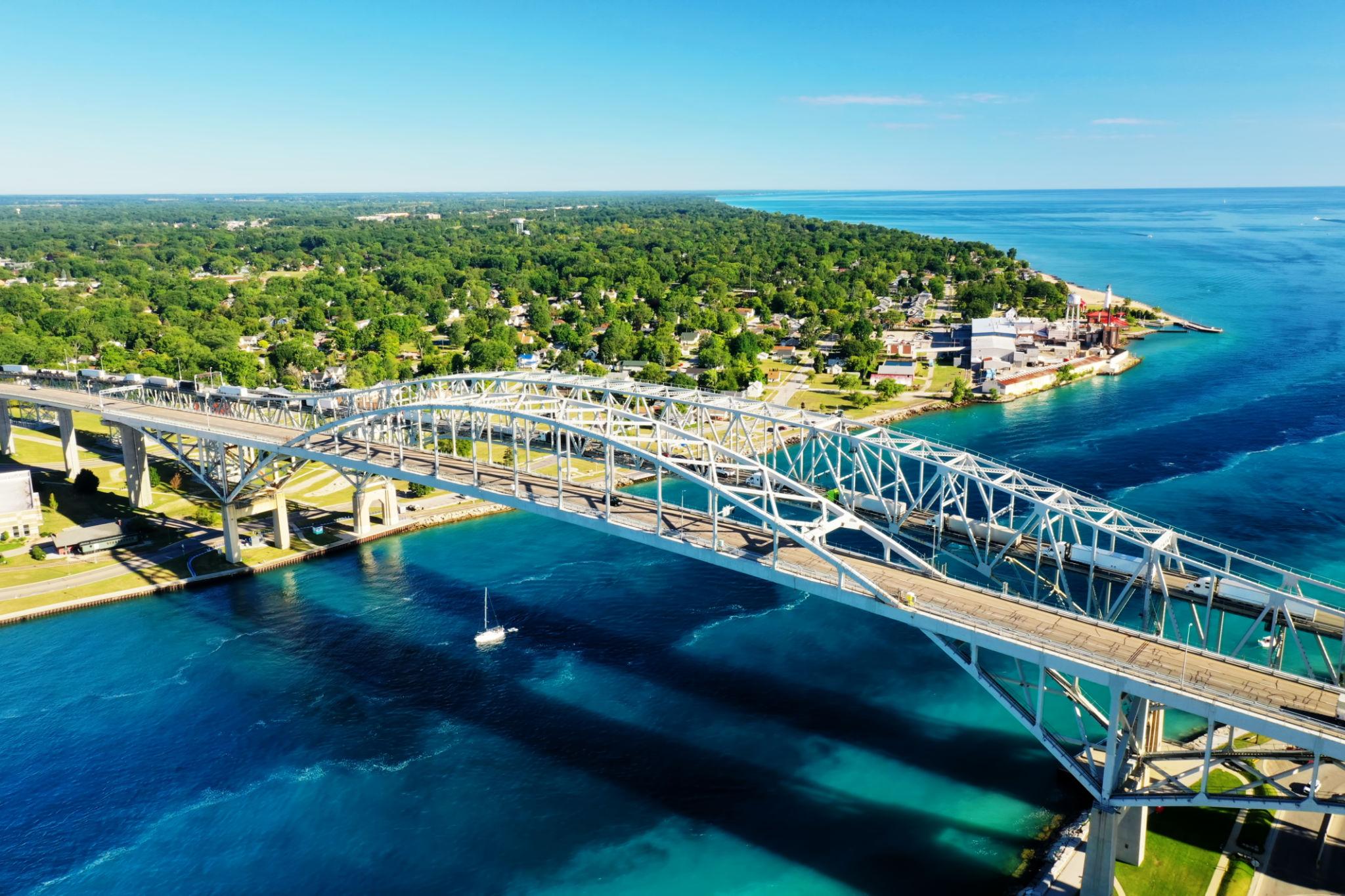
The county’s inventory spans downtown Sarnia offices, petrochemical complexes east of the city, logistics facilities near the Blue Water Bridge, highway commercial on London Line, older main street retail in Petrolia and Forest, automotive uses scattered along County Roads, and a large rural base of agricultural land and outbuildings. Wind turbines and related infrastructure appear in certain townships, and small to mid‑size multi‑residential assets cluster near post‑secondary institutions and hospitals.
A commercial appraiser in Lambton County needs to account for:
- The industrial backbone tied to petrochemical supply chains, with leases often featuring bespoke covenants, plant adjacent easements, and specialized tenant fit‑ups that complicate reversionary value. Seasonal retail variation in tourist influenced nodes like Grand Bend, which can skew trailing twelve month rent rolls if not normalized. Agricultural influences on land pricing, particularly where future designation or servicing potential nudges values above pure farm utility. Cross‑border logistics effects around the Blue Water Bridge, where U.S. Economic cycles and currency swings influence demand for warehousing and trucking yards.
These features influence the highest and best use analysis, the approaches to value you deploy, and what level of market interviewing and verification is prudent.
Start with intended use and users
Scope begins with clarity. Before you authorize work, align on the questions below with your commercial appraiser. This five minute exercise often saves five days later.
- What is the intended use: financing, purchase, financial reporting under ASPE or IFRS, tax appeal, expropriation, litigation, power of sale, or internal decision making? Who are the intended users: a single lender, multiple lenders in a syndicate, auditors, a court, or just the client entity? What is the effective date: current, retrospective, or prospective based on stabilization or completion? What definition of value is needed: market value, fair value for financial reporting, liquidation value, or insurable replacement cost? Are there extraordinary assumptions or hypothetical conditions implied by the deal structure, environmental status, or zoning path?
Those answers frame everything else: level of inspection, depth of comparable analysis, modeling of income and expenses, reliance on third party reports, and the length and tone of the narrative.
Choosing the report format and depth
Under Canadian standards, commercial real estate appraisal in Lambton County must comply with CUSPAP. Within that framework, you still have latitude to choose a report format and evidence depth that matches need and risk. The following options cover most situations.
- Restricted reporting for internal decisions where the client is the sole intended user, paired with tight property complexity and modest loan‑to‑value. These are rare in institutional lending and not suitable if a third party will rely on the result. Short narrative appraisal for conventional financing on common asset types like stabilized industrial, small retail, or multi‑tenant office. Includes a meaningful property inspection, market supported cap rates and comparables, and clear reconciliation. Full narrative appraisal for complex or high value assets, legal disputes, expropriation, or when multiple intended users will rely on the opinion. Expect deeper market segmentation, broader search radii, third party corroboration, and robust sensitivity testing. Update letters or desktop updates used to confirm market movement relative to a prior report by the same firm. Appropriate only when property and tenancy are materially unchanged and the original scope was fulsome. Consulting or feasibility analysis when value depends on future entitlement, phasing, or lease‑up, often paired with a prospective effective date and scenario modeling.
A good commercial appraiser Lambton County side will tell you when you are about to over‑scope. For example, a small credit union refinancing a fully leased 8,000 square foot flex building in Sarnia at a conservative LTV may not need a 200 page opus. Conversely, a power of sale on a specialized industrial site with legacy contamination will not survive on a desktop review.
What to include, and when, in the valuation approaches
Most commercial property appraisal in Lambton County relies on the sales comparison and income approaches. The cost approach is applied selectively.
- Income approach: For stabilized income properties, request both direct capitalization and a simple discounted cash flow if lease rollover risk is material within the five year horizon. In smaller markets, too much precision can imply false certainty, so the DCF should be transparent and not over parameterized. For single tenant assets with strong covenants, pay attention to credit assessment, lease term remaining, and re‑tenanting risk after expiry. Sales comparison approach: Works well for industrial condos, small bay warehouses, and strip retail where transaction counts are higher. In thin segments, expand the radius beyond Lambton to comparable economic nodes like London or Chatham, with careful adjustments for demand depth and exposure time. Cost approach: Useful for special‑purpose properties like churches, schools, newer owner‑occupied industrial with high utility content, and for establishing an upper boundary where functional or external obsolescence is evident. Replacement cost new estimates should be reconciled to actual local construction data, not just generic guides. Depreciation needs market support, not just age‑life math.
Land value needs its own care. Rural parcels with proximity to servicing or within an Official Plan expansion area can behave more like speculative tracts than agricultural land. If your assignment hinges on that distinction, budget for deeper planning due diligence and more extensive sales verification.

Inspection level is not trivial
A drive‑by looks like a bargain until it is not. For lending or external reporting, a full interior and exterior inspection by the appraiser is best practice. In Lambton County, older industrial or commercial buildings often have multiple additions, mezzanines, or decommissioned areas that are not obvious from the street or even from MPAC records. Skipping interiors invites mistakes in gross leasable area, which directly affects income modeling.
Ask the appraiser to follow a measurement standard suitable for the asset type, such as BOMA for office or appropriate industrial measurement guides, and to reconcile any discrepancies between lease areas and measured areas. For multi‑tenant properties, an inspection that includes representative units, mechanical rooms, roof access where feasible, and back‑of‑house areas produces fewer surprises.
Data depth, verification, and local sources
National databases have their limits in smaller markets. Credible commercial appraisal services in Lambton County tend to cross‑check multiple sources:
- MPAC data for assessment benchmarks and building characteristics, with caution not to equate assessment with value. Teranet or similar land registry data for verified sale prices and transfer details. Brokerage intel, direct interviews with buyers and sellers, and local property managers for rent and cap rate colour. Municipal planning documents, zoning by‑laws, site plan agreements, and building permits for legal conformity and development constraints.
Sales verification matters. A reported industrial sale at 140 dollars per square foot might include equipment or business value if a plant changed hands. Without confirmation, your cap rate inference could be off by 100 to 200 basis points.
Leases, expenses, and the reality of small markets
Smaller markets often use simpler lease forms. You will see a mix of net leases with inconsistent treatment of capital expenditures, administration fees, and snow removal, plus occasional gross leases inherited from long‑term tenancies. A tight scope requires lease abstracts that clearly parse recoveries, free rent, step rents, and renewal options. If your financing hinges on DSCR, request that the appraiser normalize expenses to market where landlord underreporting or self‑management hides true costs.
For multi‑residential assets, turnover assumptions and loss to lease can be significant when rent control and post‑turnover increases come into play. Vacancy assumptions should reflect submarket evidence and property positioning, not just a one size factor.
Zoning, legality, and highest and best use
Conformity affects value. Nonconforming uses can be legally nonconforming and still have solid value, but the risk profile changes. For highway commercial properties along London Line or County Road 21, access management policies may restrict intensification or new curb cuts. For older industrial sites, zoning may have tightened, making future expansion harder.
Highest and best use analysis should test as vacant and as improved. In fringe areas near growth boundaries, the land may be worth more than the current improvement if serviced development is plausible within a reasonable period. If your decision relies on that possibility, expand the scope to include planning interviews, servicing capacity checks, and a review of any development charges that would affect feasibility.
Environmental and building condition issues
Lambton’s industrial legacy is an asset and a risk. If a Phase I ESA identifies Recognized Environmental Conditions, a restricted scope appraisal may not cut it. Values can hinge on remediation costs, stigma, and financing constraints. Coordination with environmental consultants and alignment on extraordinary assumptions should be explicit in the scope and in the report’s limiting conditions.
Similarly, roof condition, masonry façades, and older mechanical systems can create significant near‑term capital calls. If a lender is sensitive to reserves, consider adding a light building condition review or at least a targeted discussion of known deferred maintenance, backed by contractor quotes when available.
Special purpose properties and edge cases
Not everything fits neat templates. Appraising a gas station on a county road with a convenience store, canopy, and modern tanks is different from a basic warehouse. Golf courses, churches, schools, solar installations, and cannabis grow facilities each bring unique valuation drivers and risk. For these, a fuller narrative, broader comparable search, and greater reliance on the cost approach and income substitutions are typical. Plan for longer timelines and higher fees, and do not expect cap rate guidance from thin sales data to be definitive.
Agricultural properties deserve their own comment. Farmland trades in Lambton County can be influenced by soil class, drainage, tile, and proximity to expansions. If part of a larger commercial assemblage, the agricultural piece may need a separate land analysis and a careful discussion of severances or surplus dwelling limitations.
Timing and budget realities
Turnaround depends on scope, complexity, and access. For a short narrative on a stabilized property with ready data, ten business days is typical once access is granted and documents are in hand. Complex assets with environmental overlays, unusual lease structures, or retrospective dates can take three to six weeks. Rushing without data rarely ends well. Budget conversations should reflect this: a commercial building appraisal in Lambton County might start in the low thousands for simple work and rise with complexity, number of intended users, and litigation exposure.
Avoid the trap of anchoring on page count or a flat fee without scoping. Ask for a proposal that spells out the effective date, value definition, intended users, report format, intended inspection level, approaches to be developed, reliance on third party reports, and any extraordinary assumptions. That document protects both sides.
Risk management in assumptions and conditions
Every appraisal includes assumptions. The question is whether they are reasonable, disclosed, and limited. Overreliance on hypothetical conditions or thin comparables increases risk. In a county with variable data density, you want the appraiser to be candid about data gaps and to triangulate value from multiple directions, not to mask uncertainty behind overly precise decimals.
Exposure time and marketing time are often afterthoughts, but they speak to liquidity and lender risk. In smaller markets, expect longer exposure than in major metros, even for well‑located assets. That does not mean the asset is poor quality, only that the buyer pool is smaller. A thoughtful narrative explains this without undermining value.
Working with your appraiser: documents and access
Your role in shaping a good scope is not passive. Provide clean, complete documents early. The essentials typically include current rent rolls, copies of all material leases and amendments, recent capital expenditures, tax bills, utility costs, site plans, surveys if available, and any third party reports such as ESAs or building condition assessments. If you prefer a certain measurement standard, say so. If parts of the property are inaccessible, disclose that and agree on how it will be handled in assumptions and scope limits.
The best commercial appraiser Lambton County clients hire are those who ask tough scoping questions up front and who are comfortable pushing back when a request does not align with the intended use. That is not resistance, it is professional care under CUSPAP.
Two brief field stories
A lender asked for a full narrative on a 12,000 square foot warehouse in Sarnia with a single local tenant on a five year net lease. The loan request was modest, under 50 percent LTV. During scoping, we learned there were no unusual conditions, no environmental red flags, and several recent comparable sales within 30 minutes. We recommended a short narrative with a standard inspection, sales and income approaches, and summarized market interviews. The bank accepted the lighter scope, saved roughly 30 percent in fees, and closed on schedule. The key was a clear statement of intended users limited to the bank and borrower, plus a transparent set of comparables and cap rate support.
A different matter involved a former light industrial site near the river with a history of solvent use. The client initially requested a desktop update to support an internal decision on a potential sale. A quick review of available data and a conversation with their environmental consultant revealed probable remediation above 500,000 dollars and buyer financing constraints. We expanded scope to a full narrative, added a retrospective date to bracket value at time of a prior transfer, and built sensitivity tables around remediation cost ranges. That report became the backbone for negotiation, and the client recovered the appraisal fee many times over by avoiding a poorly priced deal.
When to say no to a restricted scope
Restricted reports have their place for internal planning when no third party will rely on the work and where property and market risk are low. But if there is a hint that a lender, auditor, or court will see the report, say no to a restricted format. The savings are https://realex.ca/about-realex/ not worth the downstream risk. Similarly, avoid desktop‑only assignments for properties with complex tenancy, environmental history, or where the area data is thin.
Aligning scope with standards and the county’s realities
Canadian Uniform Standards of Professional Appraisal Practice permit flexibility so long as the appraiser discloses what was and was not done and can support the opinions. In a county as diverse as Lambton, that flexibility is valuable. It lets you commission a commercial property appraisal in Lambton County that is fit for purpose. The right scope earns credibility with underwriters who routinely see local cap rates, auditors who must reconcile fair value measurements, and municipal assessors in a tax review. It also respects budgets and timelines.
The market here rewards clarity, not volume. The right narrative length is the one that answers the assignment questions with evidence. The right inspection is the one that captures meaningful risks. The right comparable set is large enough to be persuasive, small enough to be relevant, and verified enough to be trusted. Those are scoping choices, not afterthoughts.
A practical way to move forward
If you have a pending valuation need, start with a direct conversation about intended use, users, dates, and property complexity. Share documents early. Ask the appraiser to propose the lightest scope that still delivers reliability for your audience. Push for plain explanations of what is included, what is excluded, and why.
Commercial appraisal services in Lambton County should feel local, precise, and proportionate. When the scope reflects those values, you get a report that underwriters clear without a second call, that decision makers can trust, and that you do not overpay for. That is the point of scoping, and it is achievable every time with the right questions up front.