Commercial buyers come to Lambton County for different reasons. Some want steady industrial income tied to petrochemical supply chains in Sarnia and St. Clair. Others chase seasonal cash flow near Grand Bend and the lakefront. A few are assembling sites for redevelopment in Petrolia or Wyoming, where older buildings sit on corner lots with better uses ahead of them. Whatever the motive, the same rule applies: before you lift conditions, you need a defensible value opinion grounded in local realities. That is where a careful commercial building appraisal for Lambton County pays for itself.
I have watched deals in this market succeed because buyers asked the right valuation questions, and I have watched them fail because someone assumed Toronto or London metrics would translate along Highway 402. They do not. This county has real industrial depth, unique environmental legacies, and a patchwork of small submarkets. An effective appraisal reads those signals and turns them into numbers you can underwrite.

What a lender-grade appraisal really answers
A bankable appraisal is not a confirmation that the price feels right. It is an argument, backed by evidence, that a specific property has a most probable value on a specific date, for a specific use. The report has to stand up to scrutiny from credit committees and auditors. In Canada, that means an AACI-designated commercial appraiser working under CUSPAP. In practice, it also means the report must explain how the local leasing market behaves, how risk flows through the income stream, and how the physical and legal facts of the site align with its highest and best use.
For acquisitions, I insist on narrative reports that spell out assumptions. Brief forms hide the decisions that make or break a valuation. You want to see how the appraiser handled vacancy, expenses, and cap rates. You want their rationale for the selected approach to value. If two properties on Christina Street sold at cap rates 100 basis points apart, the report should show why that spread is logical. When you hire commercial appraisal services in Lambton County, ask to see anonymized samples so you can judge the depth of analysis.
The lay of the land: submarkets that trade differently
Sarnia anchors the county. The industrial base along the St. Clair River and into Corunna gives the area a distinctive profile. Tenants in fabrication, storage, and chemical support services look for high power supply, large yards, and access to the Blue Water Bridge. Lease rates span a wide range, often from the high single digits to the low teens per square foot net, depending on clear height, loading, and yard utility. Modern cranes, 3 phase capacity, and yard compaction can move a rent by several dollars. Cap rates on stabilized, well-leased industrial have often sat a notch higher than London or Kitchener, reflecting thinner buyer pools and perceived environmental risk. Over the past two years, as interest rates rose, spreads widened. In smaller nodes like Petrolia or Warwick, the spread is wider still.
Retail lines up differently. Grand Bend, Forest, and lakefront villages draw heavy seasonal traffic. Small bays command strong rents in summer then soften. Investors model stabilized income with a vacancy allowance that recognizes shoulder seasons and tenant churn. Downtown Sarnia has had waves of revitalization, with restaurant and service retail leading, but it remains a street-by-street analysis. Rents vary widely, roughly from the low teens to over 20 dollars per square foot net for good frontage, with premium paid for newly built store fronts on the Highway 21 corridor closer to the lake.
Office is the hardest to generalize. Institutional and government tenants in Sarnia support stable leases at mid-range rents, while older walk-up space lags. After 2020, hybrid work further stretched the gap between renovated Class B and legacy C inventory. Landlords concede longer rent-free periods and tenant allowances, indirectly nudging effective rents down even when face rates look flat. An experienced commercial appraiser in Lambton County will normalize those concessions in the income approach.
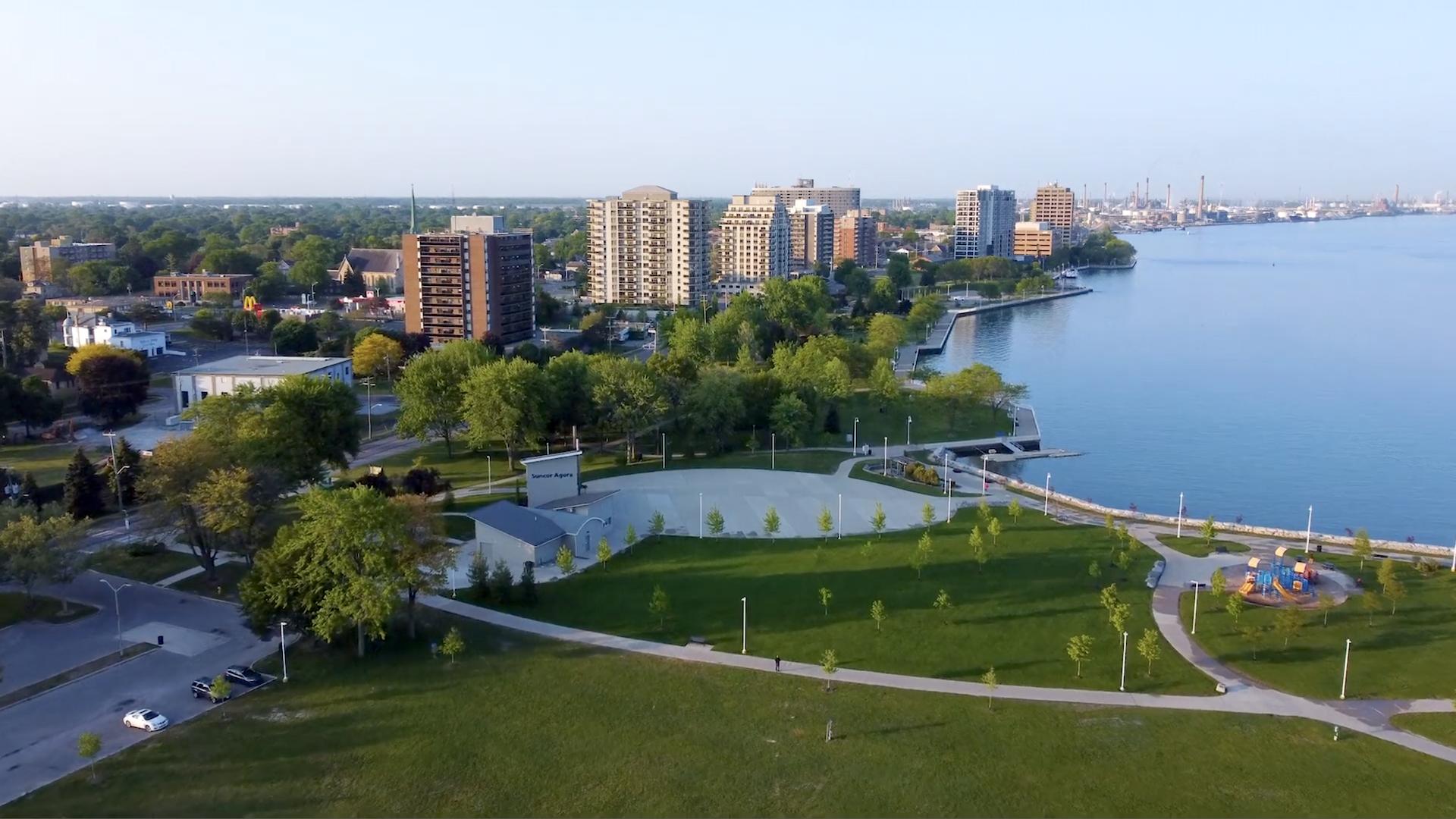
Then there are the one-offs: marinas around the river, fuel stations on county roads, self-storage that rides on residential growth, cannabis processing, and ag-industrial uses tied to grain and bio-products. Each brings specialized risk. A marina valuation leans on berth counts, winter storage, and service revenue more than retail. A gas station demands environmental file reviews and often relies on income capitalization tied to liters pumped, not just floor area. If you are buying into one of these categories, make sure the appraiser has verifiable experience with that asset type.
Highest and best use, not wishful thinking
I have sat with buyers who fell in love with a redevelopment story that the zoning bylaw simply did not support. Highest and best use analysis prevents that kind of optimism from bleeding into price. In Lambton County, several municipalities have pro-growth policies but also firm site plan and servicing requirements. On a corner lot in Petrolia you might imagine a three-storey mixed-use building, only to find the sanitary capacity is limited without upgrades that trigger cost-sharing agreements. In Sarnia, waterfront land that once housed light industrial might look ripe for residential, yet the official plan may designate it for employment uses for the long term. The appraisal must test use feasibility on four legs: legal permissibility, physical possibility, financial feasibility, and maximum productivity.
As a rule of thumb, the analysis considers the property as if vacant and as improved. An older single-tenant warehouse with an under-market lease could still pass the as improved test if re-tenanting costs and downtime erase the theoretical upside of a tear-down. Conversely, a 1960s cinder block strip with small bay depths and minimal parking may fail the as improved test if a modern convenience-retail plan meets zoning and proves more profitable on a land residual basis. The appraiser should show the math, not just a conclusion.
Three approaches to value, one reconciled answer
Most narrative appraisals weigh three approaches. Each earns or loses weight based on property type and data quality.
Income approach. For stabilized commercial property appraisal in Lambton County, income capitalization usually leads. The appraiser builds a pro forma of potential gross income, subtracts vacancy and credit loss, and normalizes operating expenses. They capitalize the resulting net operating income at a market-derived rate or use a discounted cash flow if leases roll and capital needs loom. Vacancy assumptions around 5 to 8 percent make sense in central Sarnia for mainstream product, drifting up to 8 to 12 percent in smaller towns where demand is thinner. Expense ratios vary by building efficiency and who pays for what. In older retail with rooftop HVAC and patchwork roofs, I often see true operating expenses in the mid 20s as a percentage of effective gross income, excluding management and reserves. Newer industrial with tenant-paid utilities and minimal common areas can coast in the teens.
Direct comparison approach. In tight markets with few sales, it is hard to find direct apples-to-apples. That said, Lambton County does trade. Smaller industrial condos near Confederation Street, single-tenant warehouses in St. Clair Township, and mixed-use buildings in downtown Sarnia have all seen transactions within the past 12 to 24 months. Adjustments handle differences in size, age, location, tenant quality, cap-ex exposure, and lease status. A commercial real estate appraisal in Lambton County should document how each adjustment was derived, even if some are bracketed as ranges. Be skeptical of reports that simply state a price per square foot without walking through the spread.
Cost approach. For newer or special-purpose properties, replacement cost less depreciation provides a safety check. Land value still requires sales evidence, which is limited in some rural pockets. Depreciation calls for judgment: physical wear, functional obsolescence, and external factors all weigh in. An industrial building with extra heavy power and specialized footings can suffer functional loss if most tenants in the area will not pay to use those features. External obsolescence shows up where traffic counts or neighborhood perceptions cap achievable rents below what the building quality suggests.
Reconciliation is not an average. On a stabilized, clean industrial in Sarnia with several comparable sales, I might lean 70 percent on the income approach, 25 percent on direct comparison, and 5 percent on cost, just to confirm I have not missed a material building inefficiency. For a new single-tenant retail pad with a long corporate lease and unique site features, the weighting could swing toward income and cost, with sales providing context rather than precision.
Environmental and building realities you cannot gloss over
This county’s industrial heritage is an asset and a risk. Many properties sit near or within areas with known environmental sensitivity. Lenders regularly require at least a Phase I Environmental Site Assessment. A seasoned appraiser does not replace that work, but they know when potential contamination risks should widen cap rates or demand extraordinary assumptions. If a site has a record of underground tanks removed, the report should state whether a Record of Site Condition exists and whether any reliance letters are available. On riverfront parcels or former fill areas, floodplain status and setback rules can limit redevelopment. These are not footnotes. They affect value today, regardless of any plan to remediate in the future.
On the building side, roof systems and parking lots drive near-term cash flow. I still see 1980s industrial roofs in Sarnia that are on their second or third coating cycle. If your capital reserve only budgets for patches, the appraiser may model a near-term reserve hit that reduces the going-in value. In small town retail, HVAC age and electrical capacity often determine the pool of potential tenants. A yoga studio can live with 100 amp service, a quick serve kitchen cannot. Where deferred maintenance is obvious, sound appraisal practice assigns a buyer discount or a specific capital deduction rather than burying the cost in a vague risk premium.
Taxes, assessments, and operating expense pass-through
Ontario’s property tax system flows from MPAC assessments and municipal rates. In multi-tenant buildings, net leases typically pass taxes to tenants, but the valuation still tracks the interplay. If a planned reassessment or appeal could move the annual bill by thousands of dollars, the appraiser should acknowledge it. I have seen deals sour after closing when a buyer discovered the prior owner’s successful appeal had expired, and the property reverted to a higher assessed value. That change cascaded into higher gross rent requirements or lower owner net. Ask your commercial appraiser in Lambton County to verify the current assessment, the last appeal status, and realistic future assessments based on comparable properties.
Utilities matter too. Some industrial tenants in Sarnia prize sites with large, separately metered hydro and gas due to power-intensive uses. Where landlords hold master meters, recovery structures vary, and leakage shows up in the expense ratio. Appraisers test budgets against historicals, not just offering memoranda, to see how clean the pass-throughs really are.
Data in a smaller market: how professionals compensate
Big data platforms cover Lambton County unevenly. You can pull high level stats from national services, but the best comps often sit with local brokers, legal registrations, and MPAC sales that do not make the glossy spreads. A credible appraisal cites public records, confirms private data through multiple parties, and explains when the market is simply quiet. When a report pretends to precision in a thin data environment, it is usually hiding subjective calls you deserve to see. Ask how many leases and sales went into the cap rate conclusion and what adjustments brought them into line. Good commercial appraisal services in Lambton County will show their work.
Interest rates, cap rates, and the last 24 months
As the Bank of Canada pushed rates up, cap rates expanded. In 2022 some small-bay industrial in Sarnia could justify caps in the 6.5 to 7.25 percent range for strong covenants. By late 2024, I saw stabilized trades more comfortably in the high 7s to low 9s, depending on tenant strength and building quality. Retail followed a similar, though not identical, path, with seasonal risk in lakefront towns widening the range. Office saw the widest gap, with secure government tenants still commanding relatively tight yields while older, vacant-heavy product moved only with aggressive pricing that implied double digit yields after leasing costs.
These are directional notes, not absolutes. The point is that appraisals need to reflect the financing environment on the effective date, not a memory of the market six months ago. If a report pins a cap rate with no discussion of debt coverage requirements and investor return thresholds, push for the missing context.
Working with your appraiser, not against them
The fastest way to a strong valuation is cooperation. Buyers sometimes hold back information, fearing it will lower the number. In my experience, the opposite happens. Surprises that surface late push appraisers to the conservative end of their supportable ranges. If you front-load the file with facts, the narrative tightens, and the reconciled value tends to land closer to your pro forma, provided the pro forma is reasonable.
A short, practical checklist helps keep the file clean.
- Current rent roll with lease abstracts, including commencements, expiries, options, and any rent abatements or landlord work still outstanding Last three years of operating statements with detail on taxes, insurance, utilities, repairs, management, and reserves Capital expenditure history and planned near-term projects with quotes if available Environmental and building reports on hand, even if dated, plus any municipal orders or notices A description of your intended ownership strategy, including planned renovations, lease-up assumptions, and hold period
Two notes often overlooked. First, state your intended use of the appraisal in the engagement letter. Acquisition financing requires different emphasis than financial reporting or litigation. Second, lock the effective date of value. If the market is moving quickly or conditions are in flux, that date anchors the analysis. A commercial property appraisal in Lambton County that leaves the effective date fuzzy is a red flag.
Negotiation leverage that a good report creates
A polished appraisal moves you beyond hand-waving in price talks. I have seen buyers trim six figures off an ask by showing side-by-side adjustments that explain why the seller’s favorite comp is not a comp at all. In one Sarnia industrial deal, the seller cited a sale at 140 dollars per square foot. The appraisal broke out the buyer’s premium for a crane system and specialized footings the subject lacked, then adjusted for the shorter remaining lease https://lanenoub656.theburnward.com/turnaround-times-for-commercial-appraisal-services-in-lambton-county term. The revised comparable value fell into the 110 to 115 range, which lined up with the income approach. The seller came down.
On the other side, I once used a cost approach check to defend a full ask on a new retail pad in Lambton Shores where sales data were thin. Land value was established by recent highway-fronting purchases, and a contractor’s fixed-price build contract pinned replacement cost. With minimal depreciation and a corporate covenant on a 10 year net lease, the income and cost approaches told the same story. The lender raised no objections, and the buyer closed on schedule.
Edge cases that demand extra judgment
No two files look the same, but a few Lambton-specific patterns recur.
- Former auto shops and small industrial buildings near residential blocks create thorny environmental questions. A clean Phase I still leaves lender nerves. Expect slightly wider cap rates unless you can produce a recent, clean Phase II or a Record of Site Condition. Seasonal towns create staggered rent rolls. If half your tenants roll over in September, plan for fall slowdowns. Appraisers who model a flat 5 percent vacancy all year are not reading the calendar. Rail-adjacent industrial sites can be two different assets depending on whether they actually have a spur and rights to use it. A parcel beside a line is not the same as a rail-served site. Owner-occupied buildings require a careful transition to investor assumptions. A manufacturer paying a lease-back rent above market to juice value may still close, but lenders will haircut the income unless the covenant is exceptional and the term is long. Small-town mixed-use buildings often hide residential units that do not meet current code. If legalized zoning rights and fire separations are not in place, lenders ignore that income. An appraiser should verify unit legality instead of assuming.
The throughline is simple. Local facts, well documented, drive value more than polished narratives.
Timeline and costs: what to expect and how to compress it
For a standard commercial building appraisal in Lambton County, a thorough process takes two to three weeks from engagement to draft, longer for complex assets. Site access and document flow set the pace. Rush jobs are possible, but they often cost more and carry more assumptions. As for fees, a small multi-tenant retail or light industrial asset might sit in the low to mid four figures. Larger, specialized, or environmentally sensitive files climb from there. If a lender mandates a specific panel, the fee reflects their reporting and review requirements.
When you negotiate timelines, budget a few days for lender review and follow-up questions. Credit teams will ask about cap rate support, lease rollover, environmental flags, and any big-ticket capital. If your appraiser has the data at hand, those answers go out the same day, and your financing stays on track.
Beyond value: insights that inform the entire deal
A serious appraisal is a due diligence tool, not just a box to check. I have watched buyers adjust their plan based on appraisal insights about tenant retention risk or tax pass-through leakage. In one downtown Sarnia mixed-use building, the appraisal process uncovered that hydro for two apartments fed from the landlord’s meter, inflating operating expenses by roughly 2 dollars per square foot. Once corrected, the valuation nudged up, and the buyer recaptured the leakage within a quarter.
In another case, a light industrial building marketed as 21 foot clear turned out to measure 18 foot 6 inches at the lowest duct chase. That single fact removed two target tenants from the pool and knocked the achievable rent by nearly a dollar. The appraisal modeled that reality. The buyer renegotiated to account for a lower stabilized income and some duct reconfiguration. The deal still made sense, just at a different price.
Choosing the right professional
Not every commercial appraiser in Lambton County is right for every asset. For a marina, ask for prior marina assignments. For a gas station, demand proof of experience with fuel retail and environmental underwriting. For a plain vanilla strip in Forest, you want someone who knows what mom and pop tenants pay, not just what franchisee deals look like. Look for an AACI designation, a clear engagement letter that states intended users and use, and a report format your lender will accept. Be wary of anyone promising a number before they have seen the rent roll and the building.
If you need ancillary help, many firms offering commercial appraisal services in Lambton County can also refer environmental consultants, building inspectors, and zoning planners. Keep the roles separate to avoid conflicts, but use those referrals to build a coordinated due diligence team.
Final thoughts for buyers lining up a Lambton acquisition
The best acquisitions start with humility about what you do not know. Lambton County rewards that mindset. This is a market with durable industry, cross-border logistics, and real community pride. It also has quirks you have to respect, from seasonal retail cycles to the legacies of a century of making things along the river. A thorough appraisal ties those threads into a number you can defend.
If you are under offer now, do three practical things today. Share a complete document set with your appraiser. Ask them to flag any environmental or code issues that could swing value by more than a few percent. And make the effective date explicit so everyone analyzes the same moment in time. With that groundwork, a commercial real estate appraisal in Lambton County becomes more than compliance. It becomes a map that gets you from offer to closing without surprises, and a benchmark you can use as you own and operate the asset in the years ahead.