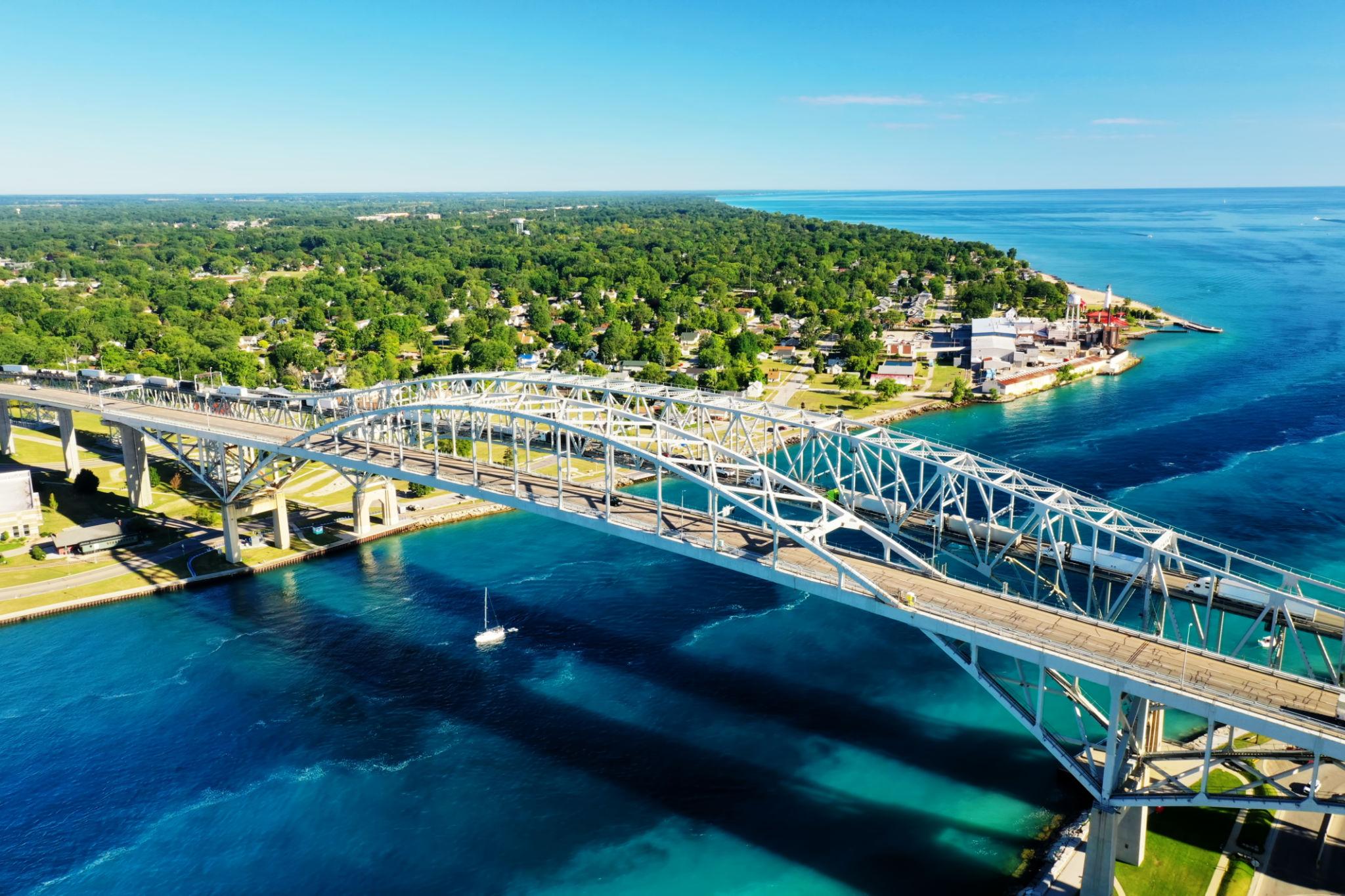
Commercial valuation work in Lambton County has its own rhythm. The industrial backbone around Sarnia and St. Clair Township, the tourist pull along Lake Huron, the small town main streets in Petrolia and Forest, and the agricultural base across Brooke-Alvinston and Dawn-Euphemia each present a different puzzle. Fees follow that complexity. If you have ever been quoted a price for a commercial real estate appraisal in Lambton County and wondered why it is higher, lower, or more variable than you expected, the reasons usually sit in the scope, the property type, and the market’s data depth.
I have appraised in this region long enough to recognize patterns. Small single-tenant boxes with vanilla leases are one story. A multi-tenant industrial park with a history of specialized use tied to Chemical Valley is another. In between, you have strip plazas in Point Edward, older mixed-use buildings near Christina Street, motel assets along Lakeshore Road, and rural commercial or ag-related facilities on large tracts where utilities and permitted uses drive value. Each carries a different appraisal workflow. This article unpacks the major cost factors and the trade-offs worth understanding before you hire a commercial appraiser in Lambton County.
What you are paying for
An appraisal fee is not just a report. It is time spent to understand the property and its market, collect and verify data, model the income and risk, reconcile approaches, and comply with professional standards. In Canada, a commercial appraiser in Lambton County who signs narrative work typically holds the AACI designation and is bound by the Canadian Uniform Standards of Professional Appraisal Practice. Lenders and courts expect that standard. The result is a narrative report that can range from 40 pages for a straightforward file to well over 100 pages for a complex industrial or special-purpose asset.
The work breaks down into several buckets. Site and building due diligence. Zoning and official plan review across the applicable municipality. Market research using local and regional comparables. Income analysis if the asset is leased, including a review of rent rolls and operating statements. Cost analysis for new or special-use buildings. Highest and best use testing when redevelopment or alternate uses are credible. Each of these buckets expands or contracts based on the property and the assignment’s intended use.
The Lambton County setting and why it matters for fees
Markets with high transaction velocity and deep leasing data are easier, because comparables are abundant and time spent verifying them falls. Lambton County is not Toronto, and that is not a knock. It means the data pool can be thin, especially for certain property types. When sales or leases are scarce within the county, a commercial real estate appraisal in Lambton County will look to nearby jurisdictions for support. Appraisers commonly extend searches into Middlesex County, Chatham-Kent, and Essex County. Sometimes a Sarnia asset will invite a look at Port Huron leasing for context, but cross-border data rarely substitutes for Canadian evidence on its own. The extra legwork to find, screen, and reconcile regionally relevant comparables adds hours to the file and affects cost.
Topography and environmental history play a role, too. Proximity to the St. Clair River, Lake Huron’s shoreline, and regulated areas under the St. Clair Region Conservation Authority and the Ausable Bayfield Conservation Authority can influence permitted uses, setbacks, and flood risk. In Sarnia’s industrial belt, legacy uses may trigger questions around contamination, even if a Phase I Environmental Site Assessment is clean. Where environmental risk shapes highest and best use or requires sensitivity in the approaches to value, the appraisal scope grows.
The scope is the price lever you control
One of the biggest cost variables is scope. A commercial property appraisal in Lambton County for mortgage financing on a small, stable asset with a clear highest and best use looks very different from a litigation assignment involving expropriation or a tax appeal. The first may require a streamlined narrative with one or two approaches emphasized. The second may demand an expanded report, multiple valuation dates, more verification, and rigorous support for methodological choices.
Report format matters. A restricted-use letter of opinion has a narrow audience and is limited by standard. Some lenders allow a shorter narrative when loan-to-value is low and the property is simple. Others require a full narrative, even for small loans, or insist on a direct comparison, an income approach, and a cost approach if the asset is newer or specialized. Clarifying the intended use, intended users, and minimum reporting requirements before fieldwork begins lets the appraiser right-size the effort and quote accordingly.
Cost drivers at a glance
- Property complexity and use history Data availability and the need to extend comparable searches Tenancy structure and the depth of income modeling required Environmental, zoning, and regulatory constraints Timeline pressures and stakeholder demands, including lender templates
Property type shapes the work
Retail along the Highway 402 corridor behaves differently from a seasonal business in Grand Bend. A single-tenant metal-clad industrial building in Corunna may appraise smoothly with a direct capitalization approach if the lease is arm’s length and market support is decent. A multi-tenant retail plaza in Petrolia with a medical tenant, two restaurants, and vacancy on the end cap requires more careful expense normalization and re-tenanting assumptions. Seniors housing, motels, fuel stations, car washes, and self-storage often involve elements of going concern, equipment, or business value allocation. Those components call for specialized experience and more time, which is reflected in the fee.
Agricultural-adjacent commercial uses, like equipment dealerships or grain handling on large rural parcels, complicate the land component. Depth of servicing, frontage on county roads, and distances to markets matter. In Lambton Shores and Plympton-Wyoming, lake influence on retail and hospitality adds a seasonal layer to cash flows. When cash flow ebbs and the right metric is a stabilized year rather than trailing twelve months, the appraiser must construct supportable pro formas, which increases analysis time.
Two quick examples from recent years illustrate how property type steers cost:
- A 3,500 square foot single-tenant retail building on London Road in Sarnia under a five-year lease to a national retailer, no atypical clauses, minimal landlord responsibilities, and a clean Phase I. Lender requested a narrative focused on direct capitalization, with land value supported by land comparables. With decent local lease comps and a handful of relevant sales in Sarnia and Chatham, the report turned in two weeks. Fee landed in the lower range for commercial appraisal services in Lambton County because complexity was low and data was accessible. A 90,000 square foot former specialty manufacturing plant near the industrial corridor, partially demised, with 18 to 28 foot clear heights, multiple cranes removed, and power upgrades. The owner sought market value under a hypothetical subdivision of the space and a second scenario under a sale-leaseback. Zoning allowed industrial but not certain logistics uses without minor variance. Environmental work flagged historical solvents, though risk was contained. The assignment demanded a cost approach for a check, a segmented income approach under multiple absorption and re-tenanting scenarios, and extensive comparable searches into Windsor, London, and Kitchener for large-bay industrial. Fee rose accordingly and the timeline pushed toward a month.
Tenancy, leases, and modeling depth
The cleaner the rent roll, the simpler the model. Gross leases with modest recoveries and few carve-outs are easy to normalize. Net leases with complex operating cost recoveries, caps, and step-ups take more time to unpack. Where tenants carry different renewal options, co-tenancy clauses, or termination rights, risk-adjusted assumptions must be built into the cash flow. Appraisers do not guess. They review the leases and ask questions until they understand who pays for what and how that maps to market norms.
Vacancy and rollover matter. If the subject property has 30 percent vacancy with suites in shell condition, a credible lease-up plan is required. That plan draws on current market rents, typical tenant improvement allowances in Sarnia or Forest, free rent concessions, leasing commissions, and a reasonable absorption period. Even if the final value conclusion uses direct capitalization on a stabilized net operating income, the appraiser still tests those inputs with a discounted cash flow. That extra modeling shows up in the quote.
Zoning, official plans, and conservation constraints
Lambton County’s structure adds steps to diligence. County-level planning frameworks intersect with local bylaws in municipalities like Sarnia, Point Edward, St. Clair, Petrolia, Plympton-Wyoming, Lambton Shores, Warwick, Brooke-Alvinston, and Dawn-Euphemia. Where properties sit near shorelines or watercourses, conservation authority regulations can impact development potential. Appraisers check permitted uses, height limits, coverage, parking requirements, and special overlay zones.
A downtown mixed-use building with non-conforming residential units above commercial space may function fine today, but financing often hinges on legal non-conforming status or a path to compliance. Confirming that status requires municipal dialogue. If a property’s highest and best use could be redevelopment, for example an underbuilt site on a main arterial, the appraiser will test land value under that scenario. That may involve a residual land value analysis, supported by land sales and pro forma assumptions for likely density. Expect the scope, and the fee, to expand.
Environmental context in a legacy industrial region
Sarnia’s industrial history is an asset for employment and a caution flag for appraisers. Even where contamination risk is low, due diligence time rises if the site sits near or within a cluster of historical industrial activity. A current Phase I ESA helps. If the Phase I recommends a Phase II, lenders may defer valuation until testing clarifies risk and remediation cost. In some cases, the valuer may appraise the property as if remediated and provide a deduction for estimated costs, or value it under a hypothetical clean condition per instructions. Each route demands clarity in the engagement letter and extra narrative in the report. Added narrative and coordination time raise the fee.
Data scarcity and the cost of verification
Publicly available sales data in smaller markets can be thin or slow to surface. Private sales dominate many commercial segments, and MLS coverage is patchy. Appraisers maintain proprietary databases and relationships with brokers, owners, and municipal staff. Even so, calling through three counties to verify sale conditions or lease terms takes time. When the subject has few true peers in Lambton County, the radius for comparables extends and the appraiser must reconcile location differences with judgment supported by market logic. That diligence is invisible on the page, but it is where much of the fee goes.
Report type, lender requirements, and templates
Different end users demand different reports. A credit union in Sarnia might accept a concise narrative for a low leverage loan on a stabilized building. A Schedule I bank with a national template could require a long-form narrative with detailed sensitivity testing, lease abstracts, and photographs of every mechanical component. Pension funds and insurance companies often have their own checklists, even for secondary markets. If your appraisal is for financial reporting under IFRS or ASPE, expect more documentation of methodologies, inputs, and assumptions, particularly for Level 3 fair value measurements. Litigation support, expropriation, and property tax appeals add another degree of rigor and sometimes require the appraiser to remain available for testimony, which is often billed separately at an hourly expert rate.
Timelines, rush fees, and realistic expectations
A standard, straightforward commercial building appraisal in Lambton County generally runs 10 to 15 business days from inspection to delivery. That assumes prompt access to leases, operating statements, and any environmental or building reports. Complex or specialized files often take 3 to 6 weeks, especially if municipal confirmations are necessary or if comparable verification drags. Rush requests can be accommodated, but they compress the same amount of work into fewer days and displace other files. Most commercial appraisers in Lambton County charge a rush premium, typically 15 to 40 percent, depending on how aggressive the timeline is and how many third parties must cooperate quickly.
Typical fee ranges in CAD
Fees vary by firm, by designation, and by season, but the following bands are representative of commercial appraisal services in Lambton County as of recent years. These are for CUSPAP-compliant narrative reports prepared by an AACI for mortgage financing or general market value. Litigation, expropriation, and specialized financial reporting can exceed these ranges.
| Assignment type | Example properties | Typical fee range (CAD) | Typical timeline | | --- | --- | --- | --- | | Small commercial building appraisal in Lambton County | Single-tenant retail or office under 5,000 sq ft, simple lease or owner-occupied | 3,000 to 6,000 | 1 to 2 weeks | | Multi-tenant retail or office | 6 to 25k sq ft, mixed leases, some vacancy, expense normalization | 4,500 to 9,000 | 2 to 4 weeks | | Light industrial or flex | 10 to 60k sq ft, clear leases, limited specialized fit-out | 5,000 to 10,000 | 2 to 4 weeks | | Complex industrial or special-use | Heavy power, cranes, unique improvements, or partial conversion | 8,000 to 20,000+ | 3 to 6 weeks | | Hospitality or self-storage | Motels near Lake Huron, storage facilities with seasonal dynamics | 8,000 to 18,000+ | 3 to 6 weeks | | Land for development | Serviced or unserviced commercial land, HBU and residual analysis | 4,500 to 12,000+ | 2 to 5 weeks |
Disbursements are often additional. Expect travel costs if https://rentry.co/wd5c7za9 the site sits far from the appraiser’s base, nominal municipal document fees when required, and perhaps 150 to 600 for items like survey retrieval or specialized mapping. If the client asks for multiple values, for example as is, as if complete, and as stabilized, most appraisers charge incremental fees for each scenario.
How lenders think about Lambton County risk
Capital sources price risk by property type, income durability, and market depth. In a county with fewer large transactions, lenders lean more on qualitative support. They study tenant profiles, rollover concentration, and sponsor strength. They ask for cap rate support beyond a single local sale. Your appraiser’s job is to translate Lambton County realities into defensible conclusions that hold up at credit committee. If a lender’s appetite for industrial in Sarnia differs from retail in Forest, the report will explain why, drawing on regional benchmarks and local evidence.
Highest and best use, and when it shifts the fee
Many assignments involve straightforward continued use. Some do not. Picture an older highway commercial parcel near a new interchange. If traffic counts and zoning suggest a better use than the current one, the appraiser must test reasonable, legally permissible, physically possible, and maximally productive alternatives. That analysis, particularly if it leads to land value through a residual model, adds scope. In Lambton Shores or Plympton-Wyoming, waterfront proximity and setbacks might eliminate otherwise logical alternatives, which also needs to be documented.
A common Lambton example is the underbuilt corner lot with a single-tenant building and significant extra land. If the extra land is severable or supports expansion, the appraiser may split value between the improved portion and surplus land. That requires land comparable evidence and possibly input from the municipality on feasibility. More moving parts generally mean a higher fee.
Permitting, development charges, and site plan conditions
Where development or expansion is in play, appraisers review development charges and site plan triggers. These costs tend to be smaller than in major urban centers but still material to feasibility. If you are valuing proposed construction for financing, the appraiser will examine the budget, hard and soft costs, contingency, and lease-up assumptions. In Lambton County, where construction trades supply can be seasonal, the timing assumptions become part of the risk discussion. Those layers explain why new construction appraisals can sit higher on the fee scale than similar size existing assets.
The role of experience and local knowledge
A commercial appraiser in Lambton County who works here regularly tends to be faster and more decisive. They know which brokers are responsive, which municipal offices move quickest on zoning confirmations, and how to adjust Port Huron data when it is used only as context. Their files reflect lived experience with seasonal cash flows in lake towns and industrial tenant expectations near Chemical Valley. You pay for that judgment, but it often saves time and reduces lender questions after delivery. The cheapest fee can be the most expensive if it leads to extended back-and-forth, change orders, or a second appraisal.
What to provide to your appraiser to streamline cost
- Current rent roll and copies of all leases, amendments, and renewals Last two years of operating statements, plus a current year-to-date Any environmental, building condition, or structural reports on hand Recent capital expenditures and planned near-term projects Survey, site plan, and any correspondence on zoning, variances, or site plan approvals
When the appraiser receives complete documents on day one, they can commit to tighter timelines and more competitive fees. Missing leases or partial financials create rework and slow verification. If you do not have a document, say so early. The appraiser can plan around gaps or suggest interim solutions.
Edge cases that change the calculus
Some Lambton County assets do not fit cleanly into standard buckets. A property on Aamjiwnaang First Nation land operates under a different tenure structure than fee simple, which may influence valuation approaches and data sources. A marina on the St. Clair River brings riparian rights, dockage income, and seasonal volatility into play. A cannabis production facility in an industrial park overlays security, specialized HVAC, and limited market depth. In each case, the appraiser tailors scope and, by necessity, fee.
Portfolio work is another edge case. If you ask for appraisals on five similar retail pads across Sarnia, Petrolia, and Corunna, the unit fee often falls because comparable and market analysis can be leveraged across the portfolio. Conversely, if each property is unique and widely separated by type, do not expect material discounts.
How to think about value approaches in this region
Most commercial building appraisal in Lambton County relies on two of the three classic approaches. The income approach dominates for leased investments. Direct capitalization is common, and discounted cash flow appears more often with material vacancy, lease-up expectations, or unusual rent steps. The direct comparison approach supports conclusions when recent, truly comparable sales exist. In slower segments with sparse trades, the weight on sales tends to drop, but the approach still serves as a reasonableness check if suitable adjustments can be made. The cost approach sees more use with newer or special-use buildings, or when land value needs emphasis in a highest and best use analysis. Replacement cost data must be localized for labor and materials in Lambton County, which may or may not align with national cost guides.
For clients, the practical point is simple. If you ask for an approach that is not supported by market practice for your asset type, the appraiser may push back to keep the scope technically sound. That back-and-forth at the proposal stage prevents surprises later.
Ordering smart: steps to set scope and fee with confidence
Start by defining the problem to be solved. Financing, internal decision making, financial reporting, tax appeal, or litigation all suggest different reporting depths and audiences. Identify the intended user, any lender template, and critical deadlines. Share a property summary that flags known issues, from environmental to structural to zoning. Ask the appraiser which approaches are likely and why. Request a draft table of contents for the report if you want to visualize the scope. These steps allow a commercial appraiser in Lambton County to write a tight engagement letter, price accurately, and hold the schedule.
Where keywords meet the ground
If you are searching online for commercial appraisal services in Lambton County or trying to locate a commercial appraiser in Lambton County who understands both urban Sarnia and rural corridors, you will see a wide range of providers. Focus on experience with your property type, proof of AACI designation, and sample reports that align with your end user’s expectations. A well-scoped commercial real estate appraisal in Lambton County will read differently from a big city boilerplate. It will reference local municipalities, zoning realities, and the practical limits of comparable data. It will show judgment where data is thin and restraint where the market speaks clearly.
The total fee reflects that craft. With clear instructions and complete documents, many straightforward commercial property appraisal files in Lambton County can be completed within two weeks at the lower end of the ranges above. Complex, specialized, or multi-scenario assignments will take longer and cost more, but they also protect you against weak assumptions and the cost of rework. That is the trade we all navigate in this market.