Grey County has its own tempo. Industrial condos hum in Owen Sound, small-bay shops work double shifts in Hanover, and mixed use buildings in The Blue Mountains live on both weekend tourism and weekday service trades. This variety is precisely why a lender will ask for a defensible, local, commercial real estate appraisal in Grey County when you finance or refinance. The appraiser’s opinion of value anchors loan sizing, shapes covenants, and can even dictate whether a deal closes on time.
Why lenders care about a localized view
A bank underwriter in Toronto can read national market reports, but they still do not know how a Meaford warehouse’s rent rolls behave in January or why a Collingwood-spillover tenant prefers Markdale. Risk sits in the details. Credit committees want a valuation that ties directly to achievable market rent, realistic vacancy, and verifiable sales and leasing evidence within the county and its near neighbours.
When a commercial appraiser in Grey County signs a report, they shoulder that localized judgment. For income properties, the math is simple enough, but the inputs are not. Cap rates, expense ratios, and tenant retention assumptions do more to move value than any spreadsheet polish. Lenders look for an appraisal that explains those inputs clearly, without wishful thinking.
Appraisal standards, credentials, and report types
Banks and credit unions typically require a report prepared under the Canadian Uniform Standards of Professional Appraisal Practice, known as CUSPAP. In commercial, the designation that satisfies most lender panels is AACI, P.App. Some smaller loans may accept a CRA for mixed use with a residential weight, but broad commercial assignments and anything with complex income streams warrant AACI oversight.
Report types range from narrative appraisals for larger assets to shorter form reports on straightforward assignments. A full narrative appends leases, maps, market evidence, and detailed reasoning, which is what a credit committee expects for mid to large loans. For CMHC-insured multi-residential, underwriters will ask for additional items, such as unit-by-unit rent reconciliation, turnover history, and evidence on achievable rents without incentives.
Property types in Grey County, and how they behave in valuation
Industrial has been a standout across south and central Ontario since 2020, and Grey County benefited. The best located small-bay industrial along Highway 6 and 10 draws service trades serving both agriculture and hospitality. In Owen Sound, heated industrial units with 18 to 24 foot clear, basic office buildouts, and good yard space earn net rents that, in recent years, have ranged roughly from the high single digits per square foot to the mid teens, depending on quality and ceiling height. A commercial real estate appraisal in Grey County will pay attention to clear height, loading type, and power capacity, because those traits drive tenant decisions and, by extension, cap rates.
Retail is a split story. Street-front retail in tourist-influenced pockets like Thornbury can outperform regional averages, while highway-oriented convenience and service retail lean on parking count and visibility to Highway 26 or 10. Appraisers will separate destination retail, which can pay higher rent but carries higher vacancy volatility, from service retail that churns less and pays modest rent. Anchored plazas are rare in the county and often price more off yield stability than headline rents.
Office space in downtown Owen Sound and Hanover tends to compete on functionality more than design. Elevators, accessible washrooms, and parking ratios matter. Net rents can sit in a band where tenant inducements decide effective rates. Lenders want the appraiser to normalize for those inducements, because apparent rent is not the same as economic rent once you amortize free rent months and buildout credits.
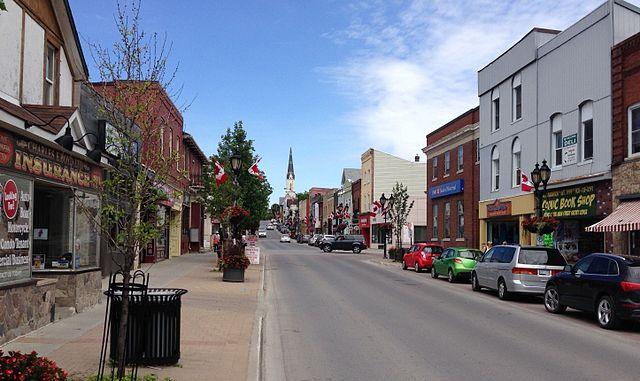

Hospitality properties, especially motels and inns along tourism routes or near ski traffic for The Blue Mountains, are management intensive. Traditional cap rate techniques can mislead if the appraiser does not scrub financials for owner expenses, seasonality, and personal use. Lenders will often protect themselves with lower loan-to-value and debt service tests that rely on a stabilized, market-adjusted income statement, not the most recent banner year.
Multi-residential of five units or more sits under multi-family conventions. In Grey County, garden apartments and small walk-ups can be sensitive to deferred maintenance, many built from the 1960s through 1980s. Turnover and rent control rules influence upside stories. When refinancing, the appraiser will weigh whether the pro forma rent is genuine or requires inducements, then choose a cap rate that reflects both current and stabilized conditions. For CMHC-insured debt, the lender may overlay its own economic vacancy rate and replacement reserve that differ from the market norm.
Agricultural and agri-industrial hybrid properties are common on the county’s edges. Once a property mixes cold storage, processing, and farm components, the valuation approach must separate business value from real estate value. Banks will push for a conservative allocation that excludes specialized equipment and permits not transferable to another operator.
The valuation approaches, applied with Grey County nuance
Most commercial appraisal services in Grey County apply three classical methods. In practice, the weighting among them varies by property and data strength.
Income approach. For a leased investment, this drives value. The appraiser estimates market rent by suite or unit type, applies a stabilized vacancy and bad debt allowance, then deducts non-recoverable expenses to arrive at net operating income. Two techniques then surface:
- Direct capitalization is common for stabilized, single-tenant or multi-tenant assets. Cap rates in Grey County have historically traded above GTA cores, with spreads that widen as you move away from Owen Sound and The Blue Mountains. In recent refinance work since interest rates climbed, stabilized cap rates for small industrial might range roughly 6 to 8 percent depending on size, quality, and lease term. Retail strips can sit wider if tenant quality is variable. Discounted cash flow is used for assets with lease rollovers, renovation programs, or new builds. It captures downtime, tenant inducements, and re-leasing costs. A discount rate that reflects local risk will exceed cap rates, often by 100 to 300 basis points, though the exact spread depends on the stability of cash flows.
Sales comparison approach. Direct comparison only works if you have enough credible sales. In Grey County, industrial and mixed use comparables exist, but they can be thin in any given quarter. That puts pressure on the appraiser to expand the search both geographically and temporally, then adjust for location, building quality, and time. Adjustments for time have mattered since 2021 because construction costs and financing costs moved quickly. A 10 to 20 percent swing on price per square foot over a year has been seen in select submarkets, so time adjustments carry weight.
Cost approach. For newer buildings or special use improvements, the cost approach can act as a sanity check. The appraiser estimates land value plus replacement cost new less depreciation. Replacement cost new has climbed significantly compared with 2019 levels, so cost can set a floor if market evidence looks anomalously low. Still, functional obsolescence in older industrial or motel properties often drags cost-derived values below income-derived values once you account for ceiling height, loading inefficiencies, or outdated layouts.
Real numbers, real judgment: two brief examples
A small-bay industrial in Owen Sound, 18,000 square feet over four units, each with grade-level loading, modest office buildouts, and a clear height of 18 feet. Two units at 12 dollars per square foot net, one at 10, one vacant. Market evidence suggests achievable rent is 11 to 13 dollars for units with upgrades. Stabilized vacancy for similar assets in the area over the past three years ran between 3 and 7 percent. Operating costs are mostly recoverable, with 0.30 to 0.50 dollars per square foot in non-recoverables. A weighted NOI that stabilizes the vacant unit at 11.50 dollars and applies a 5 percent vacancy lands around 200,000 dollars. With leases rolling inside two years, a cap rate of 7 percent could be justified. That indicates a value near 2.86 million. This anchors a refinance at 65 percent loan-to-value around 1.86 million, subject to debt service coverage.
A mixed use building in The Blue Mountains, ground-floor retail and three residential units above. Retail rent shows a premium during winter season, but incentives and seasonal closures distort effective rent. The appraiser normalizes to 28 dollars per square foot net on a 1,400 square foot bay and 26 dollars on the second bay with weaker exposure. Residential units average 1,900 dollars per month with minimal turnover. Applying a blended cap rate that reflects retail volatility, say 6.25 to 6.75 percent, and verifying sales on Bruce Street and near Thornbury’s core, the reconciled value might sit tighter than an owner expects after a strong ski season. Lenders will lean on that normalization to avoid over-advancing.

What lenders expect to see in the report
Credit teams in Ontario want more than a number. They read the narrative to test whether the appraiser understands the property’s moving parts. Expect requests for copies of leases, rent rolls, recent capital expenditures, and environmental reports. For larger loans, a reviewer may call the appraiser to probe cap rate support and risk flags, such as tenant rollover within 18 months or exposure to single industries.
A practical note on reviews: national lenders often outsource technical reviews to third-party consultants who work off checklists. If the valuation logic is tight but a reviewer cannot find the support, they will still bounce it back. A good commercial property appraiser in Grey County anticipates those questions and seats the support near the conclusion, not buried in the appendices.
Preparing your property and file for appraisal
Smoother appraisals close faster and cost less in rework. Owners sometimes underestimate how much delay comes from missing details, not contested value. A short, disciplined prep helps.
- Gather the last two years of operating statements, plus a year-to-date. Provide all current leases, amendments, and a clear rent roll that ties to deposits received. Summarize capital projects over the past three years, with invoices if available. Flag any open permits, work orders, or outstanding deficiency items. Share any Phase I environmental, building condition, or roof inspection reports you already commissioned.
Environmental and zoning issues that can make or break a loan
Grey County has pockets under the Niagara Escarpment Commission, conservation authorities like Grey Sauble, and source water protection zones. These layers can limit expansion, restrict outdoor storage, or add setbacks that reduce usable land area. An appraiser has to understand whether a legal non-conforming use is transferable, and whether intensification is realistic or just a story.
For industrial and older commercial sites, lenders often require at least a Phase I ESA. Historical uses matter. A warehouse that once housed a small engine repair shop may involve floor drains and parts washers that trigger a Phase II if red flags appear. Appraisers do not perform ESAs, but they do reflect environmental risk in cap rates or as extraordinary assumptions. If a Phase I recommends further investigation, a conservative lender may cap loan-to-value or hold back funds until a clean bill is in hand.
The refinance timing question in a shifting rate environment
Over the last few years, many owners saw rents rising while cap rates were rising too. The arithmetic is not always intuitive. A 10 percent rent bump can be erased by a 50 to 75 basis point rise in cap rates. If your debt matures within a year, an early appraisal can help decide whether to prepay, refinance now, or ride to maturity. Some lenders allow re-rating a term sheet if a new rent roll lands before funding. Others lock at commitment. A candid conversation with your commercial appraiser in Grey County, before you order a formal report, can narrow the right window to show value at its best defended point.
Construction, renovation, and the cost approach’s quiet influence
For repositioning projects, lenders look for a clear budget tied to a draw schedule. The appraiser will test whether the as-complete value supports those draws. Replacement cost data rose sharply post 2020, and even if your contractor secured decent pricing, an appraiser will reference cost manuals and local quotes that may read higher. Clarify what is soft cost versus hard cost, and where contingencies sit. If your plans include work subject to conservation approvals, timing risk should appear in the analysis, sometimes as a higher discount rate in a DCF or as a contingency in the as-complete number.
Data depth, cap rates, and the thin-comparable problem
Grey County’s sales and leasing data can be sparse in any quarter. Appraisers solve this by widening geography, but they must justify adjustments to reflect local demand. For instance, a similar small-bay industrial in Guelph or Barrie might show net rent and sale price trends, yet its tenant pool and highway access differ. A credible report explains why a 12.50 dollar net rent in Owen Sound is or is not equivalent to a 14.50 dollar rent in Barrie, after adjusting for tenant inducements and occupancy costs.
Cap rates travel with perceived risk. Factors that push a rate up include short remaining lease terms, concentrated tenant industries, rural locations far off arterial roads, specialized improvements with few alternate users, and deferred maintenance. Factors that pull a rate down include strong covenants, long lease terms with structured rent steps, high traffic counts, and limited competing stock. In recent transactions, a spread of 150 to 300 basis points between prime assets in The Blue Mountains and secondary assets in smaller towns is not unusual.
How an appraisal unfolds, step by step
Owners sometimes ask what happens after they order a report. The process is orderly if everyone plays their part.
- Kickoff with scope and use. The appraiser confirms intended use, lender requirements, and whether any extraordinary assumptions are needed. Site visit. Measurements, photos, and a look at building systems, loading, parking, and surrounding influences. Tenants may be interviewed if allowed. Data collection. Leases, financials, market rents, sales, vacancy and absorption trends, and cost data for newer builds. Analysis and reconciliation. The appraiser develops each approach, weighs their reliability, and reconciles to a value that aligns with the strongest evidence. Review and delivery. A draft may go through internal peer review or a lender’s technical review. Final delivery follows once questions are resolved.
Working with commercial appraisal services in Grey County
Not all assignments need the same depth. For a modest owner-occupied industrial condo, a shorter format with strong direct comparison may suffice. For a multi-tenant plaza with upcoming rollover, a full narrative with DCF is wiser. Experienced commercial property appraisers in Grey County will steer you to the right scope, set expectations honestly, and price the work accordingly.
Turnaround times vary. A straightforward engagement might take 1 to 2 weeks after the site visit if data is available. Complex assets, environmental issues, or lender review cycles can push this to 3 to 5 weeks. Costs scale with complexity and report length. Be wary of the cheapest quote if the lender is exacting. A thin report that invites a second round of questions from head office is not cheaper in the end.
Disputes, updates, and respectful pushback
Sometimes value comes in lower than hoped. If you believe the appraiser missed evidence or weighted an approach improperly, prepare a tight, factual rebuttal. Point to specific sales or leases, provide signed agreements, or correct operating statements that were preliminary. Professional appraisers will consider new, verifiable facts and issue an update if warranted. Vague statements about market sentiment rarely move the needle.
On the other hand, ask for a sensitivity analysis when you know a lease-up is imminent. If your vacant unit is under offer at 12 dollars net with a five-year term, share the draft lease and the tenant’s financials. The appraiser can state a value as at date of inspection based on current status, while discussing how the pending lease, if executed, would influence stabilized income and yield. Some lenders accept that context to structure holdbacks or step-increases on funding.
Grey County specifics that a local appraiser will not miss
Traffic flows change with seasons along Highway 26 toward The Blue Mountains. Weekend retail and F&B sales can support higher gross rents, yet weekday lull must be reflected in effective rent. Industrial users along Highways 6 and 10 care about snow clearance policies, road weight restrictions, and yard usability. In Owen Sound, downtown office tenants often trade rent for walkability, while medical and dental tenants chase parking certainty near 9th Street or 2nd Avenue. Conservation and escarpment controls can complicate even modest expansions on edge-of-town parcels. A commercial appraiser in Grey County who has walked these sites knows which constraints are real and which are theoretical.
Picking the right professional
When you search for a commercial appraiser in Grey County, look for three things: lender acceptance, relevant property type experience, and recent files within the county. Ask whether they have completed assignments reviewed by your target lender in the past 12 months. Check if they have valued the same asset class, not just commercial in general. Finally, confirm they can meet your timeline without leaning on assumptions that a reviewer will reject.
Relationships matter. Appraisers who pick up the phone during underwriting can save days. They can also advise you before engagement if your scope or timing assumptions are off. Good commercial appraisal services in Grey County feel like partners under pressure, not vendors tossing a PDF over the wall.
A grounded path to financing and refinancing
Financing is math supported by narrative. Refinancing is narrative tested by math. In both cases, the appraisal bridges what a property is https://www.instagram.com/realexappraisal/ doing today and what it should reasonably do tomorrow. In Grey County, where a single tenant’s move or a winter season can swing sentiment, that bridge needs to be built from local evidence and cautious judgment.
If you come prepared with clean financials, transparent leases, and a realistic view of market rent, you make it easier for an appraiser to defend a number that a lender will trust. Whether you own an industrial bay in Owen Sound, a strip on Highway 26, or a mixed use walk-up in The Blue Mountains, a thoughtful commercial property appraisal in Grey County sets the tone for the rest of the financing conversation. And with the right commercial property appraisers in Grey County on your side, the conversation tends to go your way.