Estate planning gets harder when a portfolio includes commercial property. Numbers matter, but so do timing, leases, environmental risk, and family dynamics. In Lambton County, where an industrial backbone meets small-town main streets, a careful, defensible valuation can spare heirs months of confusion, tax surprises, and disputes. The goal is not to inflate or depress the outcome, but to reflect market reality as of a specific date, often the date of death or a transfer. That is where a commercial appraiser in Lambton County earns their keep.
Why estate planning needs commercial-grade valuation
In Ontario, a person’s estate generally faces a deemed disposition of assets at fair market value on the date of death. That includes business interests and real estate, even if no sale occurs. The terminal return captures capital gains and recapture of depreciation, and the Estate Administration Tax is calculated on the fair value of assets that flow through probate. If a building in Sarnia is worth 2.0 million instead of the book value carried for years, the capital gains and planning choices shift immediately.
A credible commercial property appraisal in Lambton County gives executors and advisors a foundation to file with confidence, negotiate among beneficiaries, and plan hold-or-sell decisions. Without one, families tend to lean on municipal assessments or hearsay. Both can mislead. MPAC assessments may trail the market by years and are built for tax equity, not transaction reality. A brother-in-law’s memory of a cap rate from a hot year in Kitchener is not a valuation strategy for a strip plaza in Petrolia with an anchor tenant rolling in nine months.
The discipline is simple to describe and hard to execute. The appraiser solves for fair market value, as of a specific effective date, under Canadian Uniform Standards of Professional Appraisal Practice. For estates, that often means a retrospective appraisal tied to the date of death. The work must survive CRA review and courtroom scrutiny, which means documented reasoning, reliable data, and professional judgment, not back-of-napkin math.
Lambton County is not Toronto, and that matters
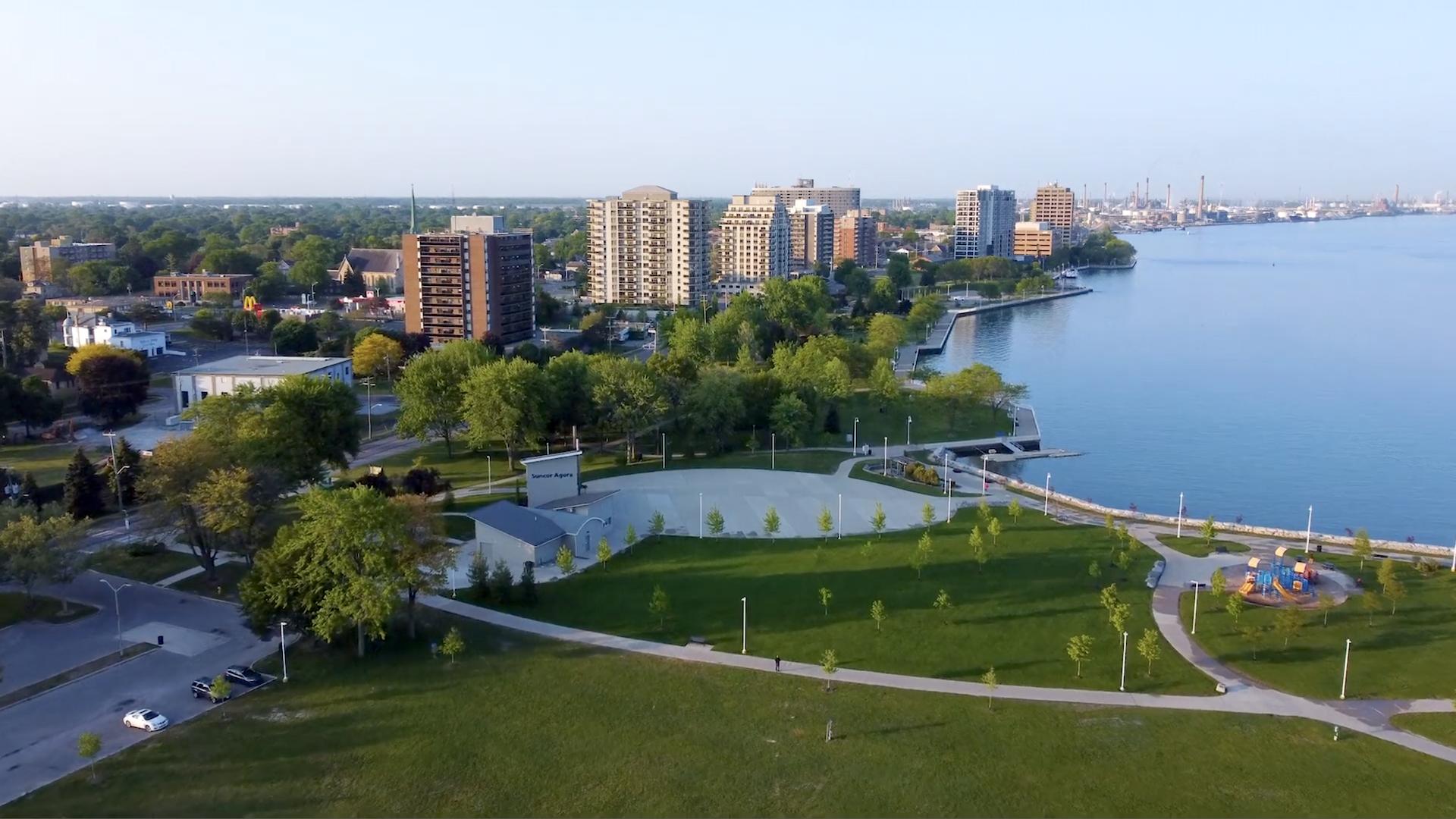
Local context drives value. Lambton County spans blue water and blue-collar industry. Sarnia anchors the market with petrochemical plants, a skilled trades base, and cross-border logistics via Highway 402 and the Blue Water Bridge. Smaller towns like Wyoming, Forest, Petrolia, and Watford keep independent retailers and service shops busy. Point Edward and Corunna show a mix of legacy industrial footprints and newer flex spaces.
This mix produces cap rate ranges, lease structures, and risk profiles different from major metropolitan cores. A single-tenant industrial building near Vidal Street with above-market utility capacity may command stronger demand from process-heavy users, but also carry environmental sensitivity from prior uses. A small downtown Petrolia storefront with an apartment above trades more like a hybrid, with a price per door mindset layered on ground-floor rent. Specialty assets, such as marinas along the St. Clair River or contractor yards in St. Clair Township, require adjustments that national datasets rarely capture well.
Local knowledge also covers basics people forget. Winter maintenance obligations in triple net leases can be a swing factor. Hydro capacity and ceiling clearance drive premiums for light manufacturing. Excess land often sits behind older buildings, and zoning can unlock value if severance or intensification is feasible. These are not footnotes, they are cash flow levers.
What “fair market value” means in an estate context
Fair market value is the highest price, expressed in terms of cash or cash equivalents, that a property would bring in a competitive and open market under all conditions requisite to a fair sale. The buyer and seller are typically motivated, well informed, acting in their own best interest, and the property is exposed to the market for a reasonable time.
For estate files, two phrases matter. First, effective date. If the owner passed on February 3rd, the valuation locks to that date, not the date of inspection two months later. Markets move, tenants vacate, interest rates change. The analysis must reflect the market as of the effective date, using information that was knowable then. Second, interest appraised. Are we valuing the fee simple assuming the property is delivered free and clear, or the leased fee interest, which recognizes in-place leases and their terms? For income property, the difference can be large. A strong long-term lease at above-market rent supports higher value to an investor, while a fee simple assumption strips that premium out.

Partial interests also surface in family structures. If the decedent owned 50 percent of a holding company that owns the building, fair market value may include discounts for lack of control and marketability, which are typically addressed through a separate business valuation. The real property appraisal feeds that work with the underlying property value.
How commercial appraisers build the value
Every appraisal approach works toward the same target from a different angle. The appraiser decides which methods apply based on property type, data, and the assignment’s scope. For estate planning and estate tax filings in Lambton County, I see three recurring approaches.
The income approach is the backbone for income-producing assets. We analyze actual leases, estimate market rent for vacant space, model stabilized vacancy and collection loss, and deduct operating expenses to arrive at net operating income. Direct capitalization divides the stabilized NOI by a market-derived capitalization rate to reach value. When rents will change materially, or for projects with known lease-up timelines, a discounted cash flow model can capture the transitions across a five to ten year horizon. Cap rates and discount rates should reflect properties with similar risk in the same or neighboring markets. In Southwestern Ontario secondary markets, small-bay industrial and neighborhood retail have often transacted in the mid to high single digits, with premiums for new construction and well-located assets, and higher yields demanded for older or specialized stock. The exact point in the range ties back to tenant quality, lease term, building condition, and capital needs.
The sales comparison approach anchors value to recent arm’s-length sales of comparable properties. Land and special-use buildings lean heavily on this method, but it supports income property valuations as well. Adjustments address location, size, age, condition, ceiling height, yard area, parking, and lease status at sale. Data is thinner in smaller markets, so we sometimes widen the search radius to nearby counties while controlling for differences. Careful commentary explains the selection and weighting. A sale near London with a 24-foot clear height is not a clean proxy for a 14-foot clear shop in Corunna unless adjustments and market behavior back it up.
The cost approach is useful for relatively new buildings and for unique or special-use assets where income and sales data are limited. We estimate land value, add current replacement cost of improvements, and subtract physical, functional, and external depreciation. In Lambton County, external obsolescence can be meaningful if a property’s use depends on a single industry or if nearby land supply keeps development costs in check. The cost approach can also help isolate the value of excess land or yard areas.
A strong report will explain the highest and best use first, then show how each approach aligns with that use. If the land under a former warehouse along Confederation Street supports a more profitable multi-tenant service center with modest renovations, that potential factors into value, subject to zoning and feasibility. If zoning would not permit a change without variances or site plan approvals, the appraisal addresses that path, probability, and timing.

Estate-specific nuances that change the math
Estate planning adds a few twists. The need for a retrospective effective date requires care with rent rolls, expense histories, and market evidence that existed as of that date. If Mr. Allan passed in September, and we learn in December that his tenant defaulted in October, the analysis must tread carefully. If a default was not knowable on the effective date, the income approach should reflect stable performance as of September, not hindsight. The reverse is also true. If market chatter about a plant closure was widespread and credible before the effective date, risk premiums may rise even if vacancy had not yet ticked up.
Personal property and trade fixtures also need sorting. In a collision shop, the paint booth and lifts may be tenant-owned. In a restaurant building, the hood and walk-in cooler might be fixtures. Allocations matter for tax and should be consistent across the estate’s filings.
Finally, do not overlook contaminated lands or potential contamination. A Phase I environmental site assessment is a prudent step for older industrial or automotive sites. If a Phase II later confirms impacts, value may require a deduction for remediation. In a retrospective appraisal, we consider what would have been known or suspected at the time, which is why environmental reports dated near the effective date carry weight. Properties with risk but no quantified remediation plan are valued with a market-extracted stigma or risk adjustment, supported by sales of impacted properties when possible.
What a commercial appraiser needs from you
Clarity speeds everything and reduces fees and supplements later. For a commercial real estate appraisal in Lambton County tied to an estate, an appraiser will typically request the following.
- Legal description, municipal address, PIN, and a copy of the most recent deed or transfer Current rent roll, copies of all leases and amendments, and tenant contact information Three years of operating statements, including property taxes, insurance, utilities if landlord-paid, maintenance, and any capital expenditures A site plan and floor plans if available, plus notes on building systems, upgrades, and deferred maintenance Any environmental or building condition reports, surveys, zoning confirmations, or notices of violation
Delivering this package at the start cuts a week off most assignments. If you do not have it, say so. The appraiser can source title from ONLAND, pull zoning schedules, and request tax records, but fees and timelines will adjust.
Timing, cost, and scope, straight
Estate files tend to run on tight schedules. The executor is juggling notices to beneficiaries, early tax filings, and insurance renewals. The appraiser controls two levers: scope and pacing. A limited-report format can satisfy many estate and tax needs, provided it includes enough detail to support the conclusions. For complex properties or where litigation risk is present, a https://rentry.co/s4hznk3f narrative report with full reasoning is worth the extra days.
A typical single-asset commercial building appraisal in Lambton County, prepared to CUSPAP standards with a retrospective effective date, often takes 10 to 20 business days from receipt of full documents to delivery. Faster is possible when access is easy and data is clean. Fees reflect complexity: a small multi-tenant retail strip with clean leases might fall in the low thousands, while a larger industrial facility with environmental layers and excess land can land several times higher. If multiple properties are bundled in one estate, economies of scale can apply when data overlaps.
Leases, cap rates, and the traps people fall into
Estate beneficiaries often assume a long lease adds value, and it can. The details decide. An above-market rent with eight years left increases the property’s value to an investor, but watch assignment rights, renewal options, and termination clauses. Some leases shift capital obligations to the landlord in year five, which means higher future costs and a higher cap rate to compensate. A below-market rent with near-term expiry can push value up or down depending on market vacancy and the tenant’s stickiness. If the market rent is 18 dollars per square foot net and the current lease is 12 dollars with a year left, an investor may capitalize at a rate closer to a stabilized scenario if re-leasing risk is modest.
Vacancy and exposure time also have local flavor. In Sarnia, small-bay industrial suites of 2,000 to 5,000 square feet with grade-level doors often backfill in months if priced correctly. Specialized labs or heavy power users take longer. Downtown storefronts along Christina and Front can move quickly in active seasons, but shoulder months and winter slow momentum. Appraisers reflect this in lease-up assumptions and discount rates, not by wishful thinking.
Do not anchor to a cap rate you saw in a distant market or a hot quarter three years ago. A credible commercial appraisal services provider in Lambton County will triangulate cap rates from local sales, broker interviews, and investor surveys, then adjust for risk. The report should show math and narrative, not just a percentage.
Special-use and going-concern questions
Some commercial properties carry a business component that muddies the water. A motel, a self-storage facility, a seniors lodge, or a marina can trade based on the combined value of real estate, business, and personal property. For estate filings, it is often necessary to separate the real property value from the going-concern value. That means normalizing net income to isolate the real estate’s contributory income, charging a market management fee, and removing non-real estate revenues or expenses. If the property is a true single-purpose facility, the highest and best use analysis will explain whether the continued use is reasonable under market conditions, or whether conversion or redevelopment drives value.
Documentation that stands up
CRA reviewers and judges look for a few markers in estate-related appraisals. The effective date must be explicit. The interest appraised must be stated and tied to lease realities. Assumptions and limiting conditions should be fair and not overreach. Sales and rent comparables should be verified and recent as of the effective date, with clear adjustments. If a later letter of reliance is required for the estate’s accountant or legal counsel, ask for it up front so the appraiser can name parties correctly.
Avoid red flags like rounding value to the nearest nice number without support, ignoring obvious deferred maintenance, or treating a verbal promise from a tenant as a signed renewal. Appraisers are not cynics by trade, but the report must be evidence-driven.
How to choose the right commercial appraiser in Lambton County
Not all designations or firms fit every assignment. For commercial property appraisal in Lambton County tied to estate planning, look for an AACI-designated appraiser with demonstrable experience in the asset type. Ask how many retrospective reports they have completed in the past year. Listen for how they talk about highest and best use, environmental risk, and lease analysis. If they downplay those, keep looking.
You want someone who understands local idiosyncrasies. An appraiser who has actually set foot in St. Clair Township yards, walked Point Edward strip fronts, and crawled mechanical rooms in Sarnia’s older stock will spot issues that desktop analysts gloss over. If the estate spans nearby counties, they should be comfortable widening the search for comparables while anchoring analysis to Lambton’s market.
A practical estate timeline that works
Executors and advisors can reduce stress by sequencing tasks. Here is a simple path that fits most estates holding commercial real estate.
- Confirm the property list, legal ownership, and whether any assets are held by a corporation or partnership Engage a commercial appraiser early, provide available documents, and set the required effective date Coordinate site access with tenants and request estoppels or confirmations of rent and arrears Align with tax and legal advisors on whether you need a narrative or limited report, and if partial interests or going-concern allocations are involved Calendar the expected delivery date relative to filing deadlines, and leave room for Q&A or supplementary letters
This rhythm keeps surprises small and documents consistent across filings. If the property will likely be sold within the first year, ask the appraiser to comment on brokerage pricing strategy. While an appraisal is not a listing, the analysis often surfaces how the market will see the asset.
Local examples and lessons learned
A few snapshots from files around Lambton County show how details swing value.
A small multi-tenant industrial building near Confederation and Indian Roads had three units, two leased at market and one owner-occupied. The estate expected a quick cap rate on the in-place income. The appraisal treated the owner’s unit at market rent to reflect income potential, but it also recognized a 300,000 dollar roof replacement due within two years and original electrical that would limit certain tenants. The value outcome ran lower than the family hoped, but the report saved them from a listing at a price that would have sat for months. They invested in the roof, and the property sold within 60 days at a number consistent with the updated analysis.
A downtown Petrolia storefront with an apartment above had a tenant paying a gross rent that looked healthy on paper. The expense file told a different story. The landlord covered heating for both units, and winter spikes pushed net income down. The value normalized to a net lease assumption at market terms, which trimmed the number by roughly 8 percent compared to a naive gross-to-net conversion. The executor renegotiated the lease on renewal, which improved the building’s performance for the heir who chose to hold long-term.
An older service station site in Corunna raised environmental questions. No recent Phase I existed. The appraiser valued the property under two scenarios: as-is with a market stigma deduction based on comparable impaired sales, and assuming a clean bill with no impacts. The estate commissioned a Phase I that recommended no further work. The as-is conclusion, free of additional deductions, firmed up the terminal return and supported a private sale to a local user at a fair price.
None of these stories are exotic. They are common patterns in a mixed local market where assets have history and personality. The common thread is careful document gathering, site-level detail, and a valuation tied to the effective date’s market.
Coordinating with accountants and lawyers
An appraisal is one piece in the estate planning kit. The accountant needs a fair market value for capital gains and recapture. The lawyer cares about equalization among beneficiaries, spousal rollover choices, and probate exposure. If the property is held in a corporation, a simultaneous business valuation may be required. Coordination avoids mismatches, such as a real estate appraisal assuming fee simple, while the business valuation assumes the benefit of above-market in-place leases that end in two years.
When estates include a mix of residential and commercial properties, it can be tempting to use a residential appraiser for everything. For a commercial building appraisal in Lambton County, resist that shortcut. Commercial leases, cap rates, environmental concerns, and zoning analysis fall outside most residential scopes. Use the right tool for the weight of the job.
When the market is thin on comps
Secondary markets sometimes produce quiet quarters. If your property type has not traded in Lambton County in the year around the effective date, the appraiser will expand the radius and time frame, then adjust carefully. They may also leverage listings and expired listings to sense buyer pushback levels, and supplement with broker interviews. The report should explain every leap. A thin market does not excuse weak support. It demands more narrative and transparent adjustments.
When possible, the appraiser will also triangulate with build-to-suit costs or replacement trends. Land sales in Brooke-Alvinston or Plympton-Wyoming, adjusted for servicing and location, can help underpin land value conclusions even if improved sales are sparse.
Holding, selling, or freezing
Once value is established, families face choices. Some hold and refinance to fund taxes. Others sell quickly to simplify. In corporate structures, an estate freeze or pipeline plan may already be in motion. The appraisal informs interest rate negotiations with lenders, current loan-to-value, and what a realistic sale price might be within a reasonable exposure time. A strong report often has a section on market conditions as of the effective date. Read it closely. If the market was soft then but firmed up later, you can make a business decision to wait, while still filing tax returns on a correct historical value.
Bringing it all together
A commercial appraisal services provider in Lambton County does more than drop a number. The work translates messy reality into a supported conclusion that aligns with how buyers and sellers would act, as of a specific date. For estate planning and settlement, that translation keeps families out of disputes, aligns tax and legal filings, and clarifies strategy.
If you are an executor or advisor facing a commercial real estate appraisal in Lambton County, start with the basics: engage an AACI with local experience, gather leases and financials, agree on the effective date, and plan the inspection and interviews. Push for clear reasoning on highest and best use, cap rates, and adjustments. Ask how environmental risk and capital needs are treated. Good appraisers welcome those questions.
Lambton County’s market rewards nuance. Industrial users care about power and access. Retail depends on visibility and parking. Older buildings often hide surplus land or deferred maintenance. The right commercial appraiser in Lambton County will unpack each of those threads and stitch them into a valuation that serves the estate, not the rumor mill.