Refinancing is ultimately a math exercise dressed up in paperwork. Your lender will weigh risk against return and price your rate accordingly. The commercial appraisal anchors that math. In Lambton County, where industrial plants sit a short drive from farm supply depots, and main street storefronts trade hands alongside riverfront hospitality assets, a credible, locally seasoned appraisal can move a refinance from good to great. It can also save you from friction that drags for months.
This piece looks at the way lenders read valuation in this market, the nuances that sway cap rates and underwriting, and how owners can put a clean package in front of both appraiser and bank to win sharper pricing. It draws on the kind of work that happens between Sarnia’s petrochemical valley, small town retail on Oil Street in Petrolia, and flex industrial in St. Clair Township.
Why the appraisal carries so much weight in rate talks
Lenders use three cranks to set your rate for a commercial refinance. First, leverage. Higher loan to value usually means a higher rate. Second, debt service coverage ratio. Strong net operating income against debt load earns you a tighter spread. Third, asset quality, which includes tenant mix, lease security, utility of the building, and market depth. The appraisal interacts with all three.
If the valuation lands lower than your expectations, leverage tightens and your rate may move up, or the bank reduces proceeds. If the appraiser sizes NOI more conservatively than your pro forma, DSCR shrinks and the rate drifts north. If the appraiser points to functional obsolescence, environmental hair, or a thin buyer pool, the lender adds risk premium. In a county like Lambton, where submarkets change every ten minutes of driving, local evidence and judgment matter even more than in big metro cores.
What lenders in Lambton County actually look for
Bankers and credit managers read appraisals with a checklist in mind. They want to see a professionally designated commercial appraiser who can defend the conclusion, current market data that feels relevant to the county and the border-adjacent economy, a well supported cap rate, and a clean reconciliation of approaches to value. They also want to see that the property fits zoning, that rents are market, and that any unusual expenses are normalized.
Most lenders in Ontario will require a report compliant with the Canadian Uniform Standards of Professional Appraisal Practice. You will often see the AACI, P.App designation tied to the signatory for commercial work. Some lenders keep an approved appraiser list for the Sarnia and Lambton Shores area. It is worth asking your banker to avoid surprises.
Lambton County is not one market
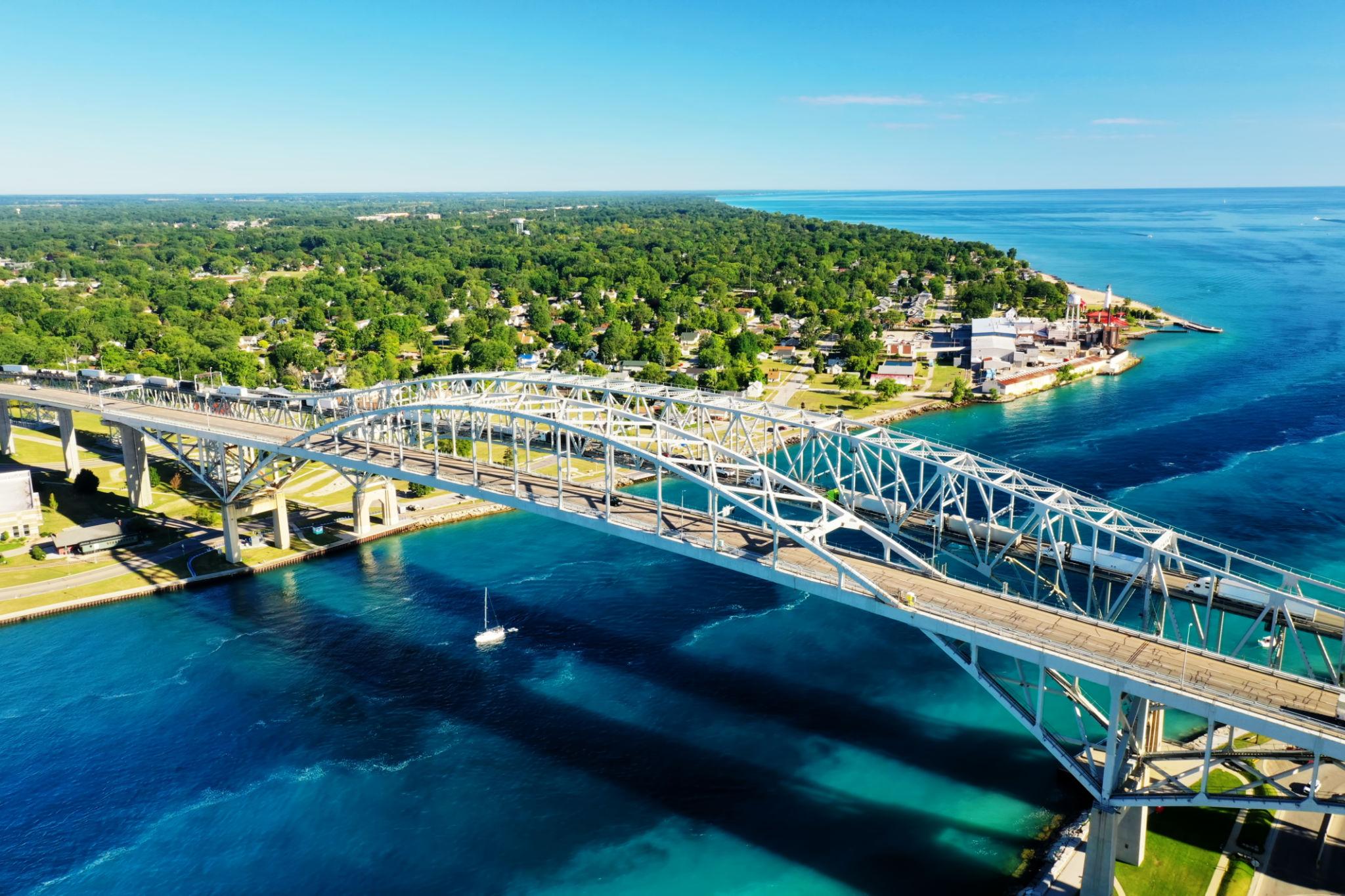
An appraiser who treats all of Lambton like a single comp set is going to miss the mark. Sarnia’s east side industrial clusters behave differently from light industrial near Corunna and Courtright. Petrolia’s downtown has a small, loyal tenant base with limited turnover, while Grand Bend and Lambton Shores have strong seasonal demand that can distort annualization if not handled carefully. Border traffic and US dollar sensitivity matter for hospitality and logistics, especially assets convenient to Highway 402 and the Blue Water Bridge.
You also have a petrochemical backbone that supports fabrication shops and service yards, often with heavy power, cranes, and large paved lots. These features add utility but are highly tenant specific. An appraiser needs to parse whether a 10 ton crane line is adding value because demand is deep, or simply narrowing the buyer pool. Agricultural support properties along the county’s interior roads bring another layer, where yard storage, outside sales displays, and proximity to certain producers shape value more than polished showrooms.
The right commercial appraiser in Lambton County will show that they work with those distinctions every week, not just once a year.
Income is the engine, leases are the fuel
Most refinance assignments for income properties live or die on how the appraiser sizes stabilized NOI. That starts with leases. Expect the appraiser to test your rent roll against local market levels, not the nearest big city. A triple net rent of 12 to 15 dollars per square foot may be perfectly normal for small bay industrial in Sarnia with 18 to 22 foot clear and modest office finish, while specialized manufacturing with heavy services could command more. Retail on Petrolia’s main street might sit closer to 14 to 20 dollars per square foot for prime storefronts, with concessions for half-depth or side street units. These are ranges, not absolutes, and the best appraisers explain their bracket with real leases, not generic charts.
Expense treatment also needs care. If the leases are net but the owner carries snow removal or roof, those costs will be normalized into a stabilized expense structure. Vacancy and credit loss should reflect observed turnover in the submarket. In Sarnia industrial, long term users may push stabilized vacancy toward the low single digits during strong cycles, while seasonal retail along the lakeshore might demand a more conservative factor to reflect winter downtime.
A story from last winter illustrates the point. A small multi-tenant industrial on Confederation Line had one new tenant at a headline 16 dollars, net. The appraiser did not simply plug that number into stabilized income. They weighted it against three existing leases at 12 to 13 dollars, net, adjusted for a tenant improvement allowance still in burn-off, and penciled a stabilized rent for that unit at 14.50 dollars. The owner did not love it, but the bank accepted the rationale and moved the rate down after DSCR stayed strong.
Choosing a commercial appraiser in Lambton County
Credentials matter. In Canada, look for an AACI, P.App designated appraiser for commercial work. CUSPAP compliance is table stakes. Next comes local experience. You want someone who can name active deals in Sarnia’s Downs Industrial Park without glancing at notes, who has walked back lots in Wyoming and Forest, and who can call a leasing broker in Petrolia and get a straight answer about tenant inducements.
Ask about report format and timeline. A narrative report will usually serve best for commercial refinance. Turnaround can be 2 to 4 weeks for typical properties, longer for complex special purpose assets. Fees vary by complexity, but for a standard multi-tenant retail or light industrial in the county, expect somewhere in the low to mid four figures. If a quote is drastically below market, it usually means corner cutting on data or analysis. Lenders notice.
Finally, make sure the engagement letter matches the intended use. It should explicitly state refinance and name the lender, unless the lender requires ordering the report directly to maintain reliance.
Scope of work that wins lender confidence
Scope influences both credibility and timing. The appraiser should plan a full interior and exterior inspection, collect and test leases, reconcile operating statements to bank deposits when possible, and build market grids that make sense for Lambton County’s fabric. For many refinance cases, an income approach and sales comparison approach will do most of the work, with a cost approach used selectively for newer or special https://cruzdyaw473.huicopper.com/feasibility-and-highest-and-best-use-in-lambton-county-commercial-appraisals purpose buildings where depreciation can be reasonably supported.
Reconciliation should not be a paragraph of boilerplate. A good report will explain why the income approach carries the most weight for stabilized multi-tenant assets in Sarnia, while the cost approach may merit more consideration for a recently built single tenant flex property in Plympton-Wyoming with limited local sales comps.
Avoidable valuation traps
Several recurring issues tend to ding value, or at least slow a file:
- Inflated recoveries. Owners sometimes pass through admin fees or unusual allocations that the market will not bear long term. The appraiser will normalize those out. Phantom rent escalations. A lease addendum promising automatic CPI increases may have no track record of enforcement. Without historic evidence, the appraiser will underweight those assumptions. Unpermitted improvements. Finished mezzanine or converted space adds utility but will be discounted if it risks enforcement or higher fire load. Talk to the municipality early. Deferred maintenance. A roof at end of life, spalling dock aprons, outdated electrical. Buyers and lenders haircut for these, and appraisers do too, often as a capital deduction or an upward adjustment to cap rate.
Every one of these can be addressed, but only if the appraiser sees the facts up front. Surprises kill timelines and leverage.
Preparing for the site visit
Think of the inspection as a chance to give context. The appraiser will measure, photograph, and shape first impressions. Walk them through tenant improvements and show invoices for recent capital items. If a tenant with a below market rent is renewing next quarter with an agreed step-up, have the signed letter of intent or draft amendment ready. If your property benefits from heavy power, three cranes, or new make-up air, point out the ratings and dates. Photos and stamped drawings help.
In winter, keep plowing and lighting in order so the appraiser can safely access all areas. If a rooftop unit is new, have someone available who knows the make and model. Little details add confidence.
A refinance-ready data pack
Gathering the right documents before the appraisal order cuts days from the process and improves the end value because fewer assumptions are needed.
- Current and historical rent roll, including suite areas, start and expiry dates, options, base rent, and recoveries Last two to three years of operating statements, with a trailing twelve months if current year is partial Copies of all leases and amendments, plus any side letters on inducements or work Recent capital expenditures with invoices, and a note on remaining life for major systems A site plan, floor plans if available, and any permits or environmental reports such as a Phase I ESA
Hand this set to the appraiser along with a short property summary. Most owners can pull it together in an afternoon if they plan ahead.
Approaches to value at a glance
- Income approach. Primary for income properties. Requires stabilized NOI and an appropriate cap rate; works well when leases and expenses are typical for the market. Sales comparison approach. Useful for single tenant and owner-occupied properties with active trading, but can be thin in certain submarkets of Lambton County. Cost approach. Best applied to newer, special purpose, or low-turnover assets where replacement cost less depreciation is a strong anchor; sensitive to estimating depreciation accurately.
A strong report will develop two or three approaches and explain clear weighting rather than forcing equality.
Timing, updates, and expiry windows
Most lenders treat appraisals as current for 90 to 180 days depending on asset type and market volatility. If rate-lock or closing extends beyond that, expect a letter update or short addendum reconfirming value, often for a modest fee, provided nothing material has changed. If a significant lease rolls over at a lower rate during that window, or a tenant vacates, the appraisal may need fuller revision.
Plan your appraisal early in the refinance process. Ordering it two weeks before term expiry is asking for stress. If you are targeting a spring refinance to catch seasonal lenders' appetite, call your commercial appraiser in Lambton County by late winter and get on the schedule before construction season stretches everyone thin.
Different asset types, different wrinkles
Industrial in Sarnia and St. Clair Township tends to be lease driven, with tenants valuing heavy services, clear heights, loading, and yards. Sales comps may blend owner-occupied and leased assets, so the appraiser has to adjust carefully to avoid mismatched cap rates. Land contamination concerns can surface around older sites. A clear Phase I ESA can meaningfully reduce perceived risk.
Main street retail in Petrolia or Forest often trades on a thinner buyer pool. Small properties with residential uppers require parsing mixed-use income and expenses, and sometimes separate market dynamics for the apartment units. Appraisers will also weigh the effect of seasonal foot traffic if the asset sits near tourism flows.
Hospitality and riverfront uses near Sarnia Bay or in Lambton Shores add demand seasonality and management intensity to the mix. Here, lenders may push for more conservative underwriting unless the operator can show multi-year stability and strong RevPAR or ADR trends. Some lenders will request a going concern valuation with a business component separated from real estate, which changes scope and fee.
Medical office and professional buildings across the county live somewhere between general office and specialty use. Tenant improvements can be heavy, with high plumbing density and specialized rooms. These features help retention but complicate value if tenant-specific. The appraiser will test whether the buildout enhances generic office utility or narrows reuse scenarios.
Environmental and building condition interplay
Lenders feel better when environmental risk is boring. A current Phase I Environmental Site Assessment that flags no recognized concerns is powerful reassurance, especially for assets in or near older industrial districts. If the Phase I suggests potential impacts, a Phase II may be required. Build time for that into your refinance calendar.
Building condition also shapes cap rates and deductions. A roof near end of life can justify a direct capital deduction from value, or an upward nudge to the cap rate. Recent electrical upgrades, LED retrofits, and efficient HVAC can justify the opposite. Provide documentation. Without it, the appraiser will default to conservative assumptions.
Working the appraisal into rate negotiations
Once you have a credible value from a commercial property appraisal in Lambton County, use it intentionally. Share the report with the lender’s underwriter, not only the relationship manager. Ask what DSCR and LTV thresholds move you to a better rate tier. If the appraiser has sized NOI with a vacancy factor that feels conservative and you have multi-year evidence of lower economic vacancy, consider a letter of explanation with attachments to support a modest adjustment. Some lenders will allow the appraiser to review your supplemental evidence and issue a limited update.
If the loan committee questions the cap rate, ask the appraiser whether a slightly narrower range is defensible with added market data. Do not push for a number that the report cannot bear. Instead, mine the analysis for structural wins that matter to the bank: long lease terms, strong covenants, recent capital replacements, and location advantages like proximity to the border and 400-series highways. These points can earn you basis points even when value is already set.
A short vignette from the field
Two summers ago, an owner in Sarnia held a 40,000 square foot light industrial building with four tenants. Three were petrochemical service contractors, one was a regional logistics outfit. The owner wanted to refinance to pull equity for a small acquisition in Petrolia. His pro forma showed an NOI of roughly 520,000 dollars, led by a recent rent bump for the logistics tenant. The first draft appraisal landed NOI at 485,000 dollars and applied a 6.75 percent cap rate, implying less leverage and a rate that was 20 basis points higher than he hoped.
The owner sat down with the appraiser. They walked through a two year history of recoveries on snow and yard maintenance that showed stable pass-throughs, and they produced a signed renewal at 14.75 dollars for a unit the appraiser had stabilized at 13.50. The appraiser reviewed, confirmed the renewal terms with the tenant, and adjusted stabilized NOI to 500,000 dollars. Separate conversations with local brokers supported a cap rate band of 6.25 to 6.75 percent for similar product with multi-tenant risk. With the stronger NOI and a slightly more aggressive midpoint cap, the value moved enough for the bank to hit the owner’s target rate. The difference came from verifiable facts delivered early.
What a fair fee and timeline look like
For typical commercial appraisal services in Lambton County, a refinance assignment on a stabilized multi-tenant industrial or retail building often falls in the 2,500 to 5,500 dollar range, depending on complexity and speed. Special purpose assets, hospitality, or portfolios carry higher fees. Standard timelines are two to four weeks from full document receipt to final report. Rush work exists, but it costs more and increases the chance of thin data. If your lender is quoting three days, ask what is being sacrificed.
Expect at least one round of clarification during lender review. Good appraisers anticipate common bank questions and address them in the report. If an underwriter asks for a sensitivity on cap rate or an explicit DSCR calculation, the appraiser can often append a short addendum without reopening the entire file.
When to ask for more than just a number
A seasoned commercial appraiser in Lambton County can provide more value than a single point estimate. If you are six to twelve months out from refinance and have time to act, consider a consult to map value levers. Could rebalancing a couple of leases, timing a small capital project, or cleaning up recoveries lift stabilized NOI enough to move both value and rate? For a commercial building appraisal in Lambton County, even modest changes can pay for the appraisal fee several times over.
Some owners run a pre-appraisal check using a broker opinion of value. That can help, but do not confuse it with a CUSPAP-compliant appraisal that a lender will rely on. Use the broker’s insight to tune your leasing and marketing, then work with the appraiser to translate those wins into defensible value.
Bringing it together
Refinancing hinges on telling a clean, documented story about income, risk, and local market depth. In this county, the story needs to make sense from Sarnia to Lambton Shores, along refinery corridors and small town main streets. A competent, locally informed commercial real estate appraisal in Lambton County gives your lender the confidence to price aggressively. It also gives you a roadmap to value creation for the next cycle.

Choose the right commercial appraiser in Lambton County, assemble a refinance-ready data pack, and engage with the process rather than sending a rent roll and hoping for the best. If you do that, the appraisal stops being an obstacle and becomes a lever. That is how better rates happen.