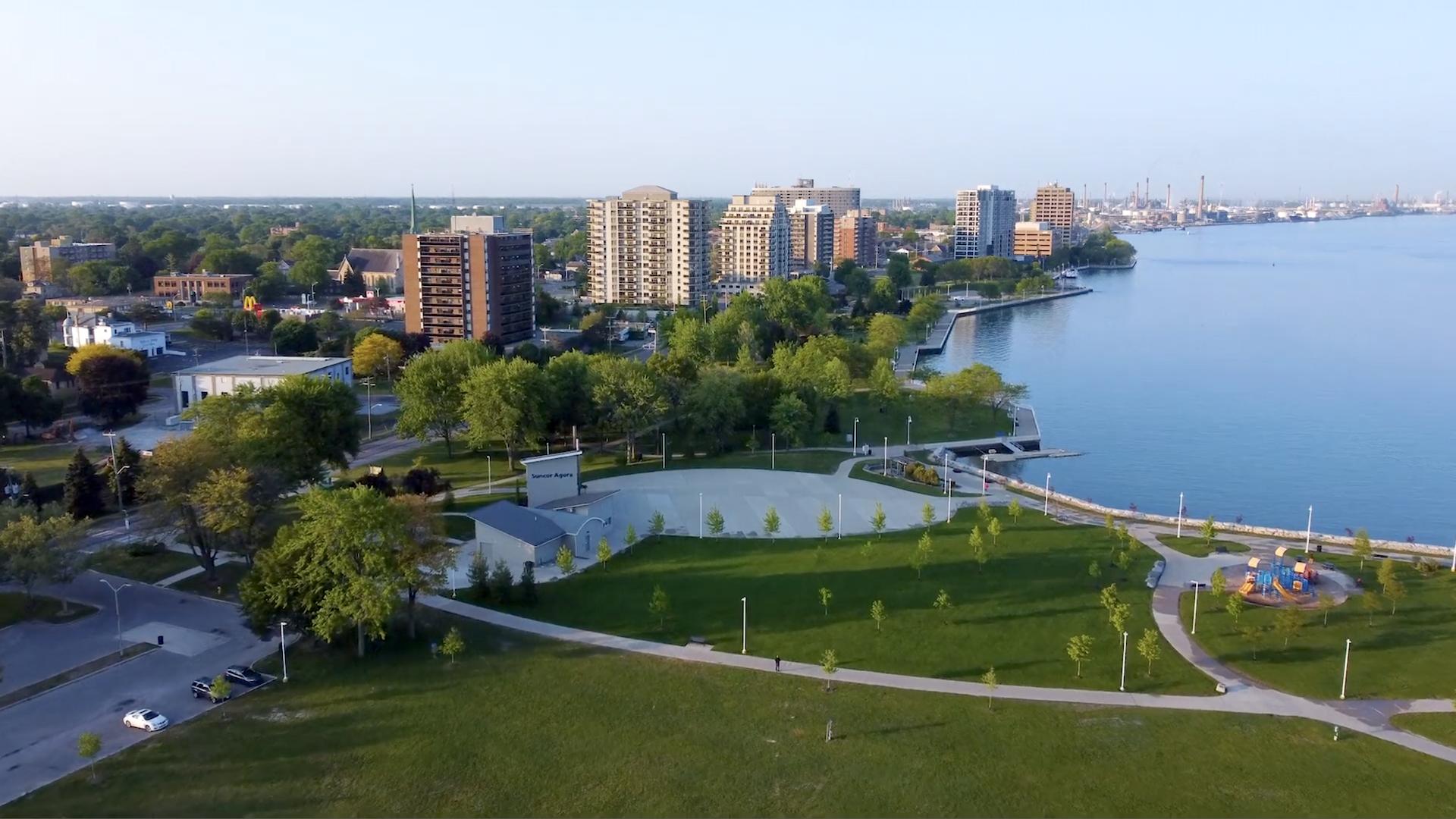
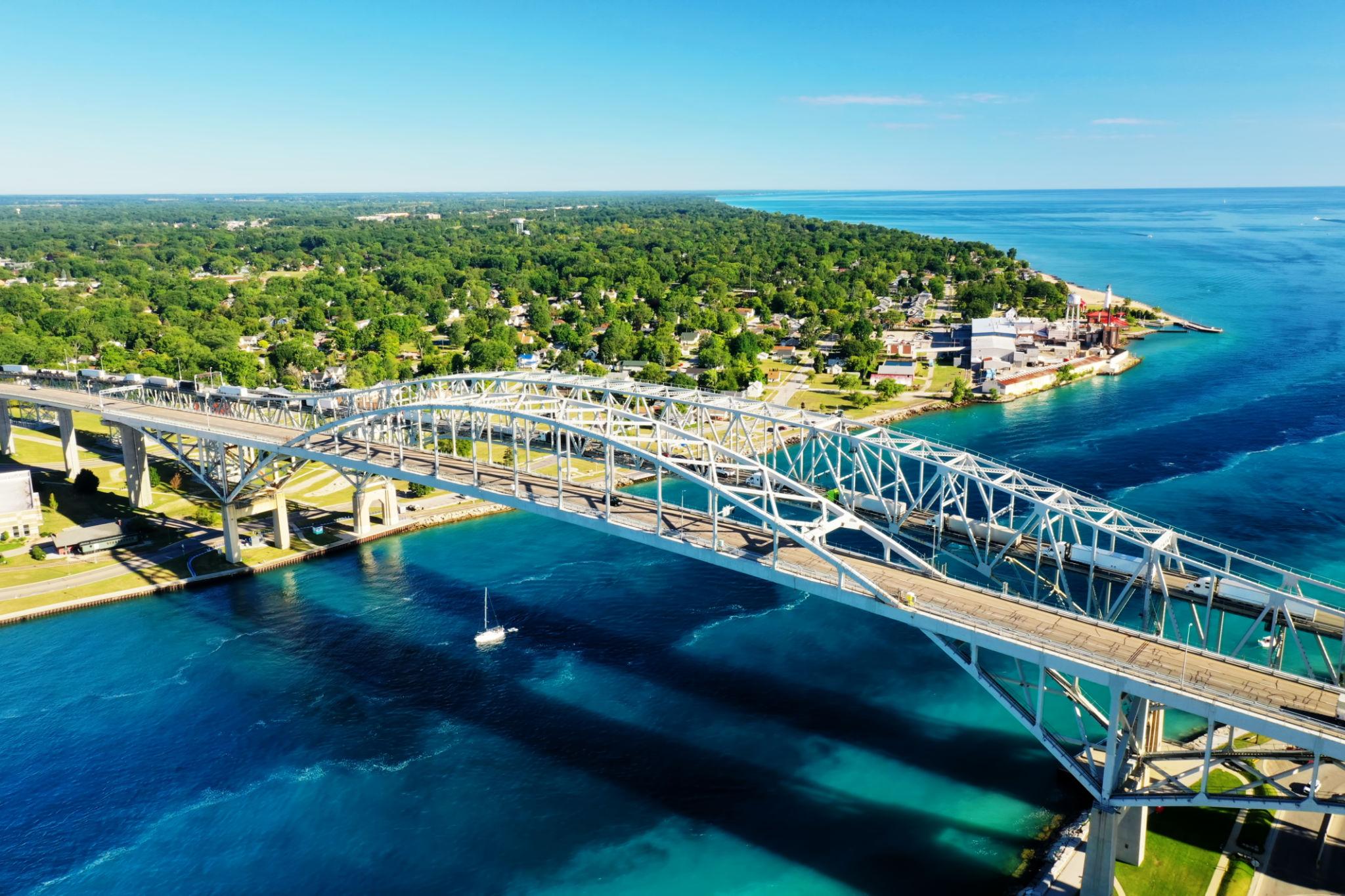
Walk into any loan committee meeting with a commercial asset in Lambton County, and you will feel the same gravity you would in Toronto or Detroit. The metrics matter, the narrative matters, and the appraisal has to knit both together. Local context, however, carries unusual weight here. Sarnia’s petrochemical cluster, the Blue Water Bridge, lake-effect tourism along Grand Bend, and a patchwork of small-town main streets from Petrolia to Wyoming all shape how lenders read risk. A good commercial appraisal is not just a number, it is a defensible story about income durability, market depth, and exit strategy, told in a way that satisfies credit policy.
I have sat on both sides of the table, preparing reports and reviewing them for banks. The most efficient deals are the ones where the borrower, the lender, and the commercial appraiser in Lambton County all work from the same expectations. Here is how that alignment happens, and what banks quietly screen for before they wire a dollar.
How lenders frame value and risk
A lender’s relationship with an appraisal is practical. The report anchors loan-to-value, supports the underwritten net operating income, and backs up the idea that if a loan has to be liquidated, the market can absorb the asset at or near the concluded value within a reasonable exposure period.
You will see three unspoken questions behind the redlines and email requests. First, is the income real, sustainable, and supported by local comparables. Second, is the real estate adaptable if the current tenant leaves, or is it a one-tenant, one-use bet. Third, if the bank ends up the owner, how long does it take to sell, and at what discount. Every page in a strong appraisal for a commercial property appraisal in Lambton County ties back to one of these.
Local context the bank expects to see
If you commission commercial appraisal services in Lambton County, ask for local market texture. It moves the needle. For example, we have cap rates on stabilized suburban retail strips in Sarnia that have ranged roughly from the mid 6s to the high 7s in the last few years, widening during periods of interest rate volatility. Single-tenant user buildings on London Line or Confederation may trade softer, depending on covenant and term remaining, while small-bay industrial across Sarnia’s east side and into Point Edward has seen tight vacancy and resilient rents due to cross-border logistics and petrochemical adjacency. Grand Bend hospitality has truly seasonal cash flow spikes, and vacancy allowances should reflect that cyclicality rather than a flat annual percentage.
Banks compare these local realities with the broader provincial trend line. In a tertiary market, liquidity risk is always part of the discussion. If your commercial building appraisal in Lambton County reads like it could have been written for Hamilton or Kitchener, you will field extra questions.
The anatomy of the report bankers actually read
A thick report does not win the day. A clear one does. When a bank analyst opens a commercial real estate appraisal in Lambton County, they turn to several anchors straight away.
- Highest and best use. If an older warehouse sits on land now zoned and serviced for medium-density residential near central Sarnia, lenders will want to see whether the current industrial use truly maximizes value. A thoughtful highest and best use analysis protects the bank from lending against an interim use at a value that assumes a different development outcome. Income approach detail. Rent roll integrity, tenant quality, lease expiries, and a sensible vacancy allowance drive this section. In Lambton County, lease comparables can be thin, so a credible appraiser explains how they bridged gaps, perhaps by drawing radius-based comparables from Chatham-Kent or London and adjusting for scale and market depth. Sales comparison logic. Banks understand that sale comps for a rural flex building near Oil Springs may be scarce. That is fine, if the chosen comparables are honest and the adjustments are transparent. Give the bank enough breadcrumbs to retrace the logic. Exposure time and marketing period. These are not filler. In smaller markets, exposure time can run longer than in the GTA, and banks account for that in risk pricing and syndication discussions. Reconciliation. Lenders want to see the appraiser weigh the approaches with judgment. If the income approach is primary for a multi-tenant industrial asset, say so and explain why the cost approach is more of a floor than a target, especially when reproduction cost outstrips market support.
Income analysis, the part that makes or breaks credit sign-off
If you talk to any commercial appraiser in Lambton County, they will tell you the same thing. Underwriting the income is where the appraisal either earns the bank’s confidence or loses it. Three subsections get the most scrutiny.
Rent roll and tenant quality. A small industrial plaza on Confederation Street may have six to eight tenants, a mix of auto service, fabricators, and small logistics. A bank will not just total the rents. They will ask how long each tenant has been there, what their covenants look like, and whether improvements are tenant-specific. If one bay has a custom paint booth with limited alternate use, the bank will expect a distinction in the tenant improvement and re-leasing assumptions.
Vacancy, downtime, and credit loss. Vacancy in Sarnia’s small-bay industrial has run below many Ontario averages in recent years, but lenders still expect to see a normalized vacancy and credit loss that tracks local data. I have seen credible appraisals use a 3 to 5 percent allowance for stabilized industrial with diversified tenancy, and a notch higher for older product with functional constraints. In tourist-driven nodes like Grand Bend, you may seasonally average the vacancy considering shoulder months, not just peak summer.
Operating expenses and reserves. Do not gloss over utilities and snow removal for assets near the lake. Utility spikes in winter and heavier snow seasons are not theoretical here. A bank will measure your stabilized expenses against historicals, and against regional benchmarks. Capital reserves are often thin in owner-prepared packages; your appraiser should layer a market-typical reserve that acknowledges roof age, HVAC mix, and parking lot life-cycle.
Approaches to value, weighed the way lenders weigh them
Commercial property is not monolithic, and neither are the methods. Banks in Lambton County rely on the same three approaches they do everywhere, but local evidence shifts which one carries more weight.
Income approach. Primary for income-producing assets: multi-tenant industrial, retail plazas, office, and apartments. The cap rate selection in Lambton County leans on fewer trades, so the appraisal should triangulate with band-of-investment support and lender sentiment. When central bank rate moves hit, the spread adjustment shows up faster in the cap than in historic sales. Lenders appreciate seeing the appraiser acknowledge this lag explicitly.
Sales comparison approach. Useful for owner-user properties like a single-tenant service shop or small medical office, especially where lease comparables are sparse or the space will likely be used by the buyer. Sales in Sarnia, Petrolia, and even out to Wyoming and Lambton Shores may all enter the grid, but the narrative has to adjust for location pull, traffic counts, and service exposure.
Cost approach. Often a secondary check, except for special-use structures such as newer petrochemical support facilities, churches, or utility buildings. In these cases, replacement cost less depreciation can frame the floor, but lenders will not lend to cost if market evidence says the asset is slow to absorb. Functional obsolescence gets real in older industrial where column spacing or clear height caps tenant demand.
Zoning, HST, and development potential
Zoning in Lambton County is a patchwork. Sarnia, Point Edward, and Petrolia have more detailed by-laws, while rural townships manage broader categories. Banks expect the appraisal to document the current zoning, permitted uses, and non-conformities, because a non-conforming use can reduce refinance options if the building is damaged and rebuilding is constrained. HST treatment matters for certain commercial transactions and can affect price interpretations, so the report should state whether sale prices are reported net or gross of HST, and whether the property qualifies for any rebates under a going concern.
Development potential is not wishful thinking. If a downtown Petrolia mixed-use building has underutilized rear land with servicing potential, that should go into the highest and best use narrative, but not at the expense of valuing the current improvements realistically. Lenders watch for “double counting,” where a report capitalizes current income and then layers in speculative development value without a clear timeline or risk discount.
Environmental and flood risk, the two quiet deal killers
No lender wants to take an environmental problem as security. For anything industrial, automotive, or with a history of fuel storage, expect the bank to require, at minimum, a Phase I Environmental Site Assessment and possibly a Phase II if red flags surface. The appraisal should note the status of environmental due diligence and should reflect any stigma or remediation costs in value if they are known. It is not the appraiser’s job to conduct the ESA, but it is their job to integrate its conclusions.
Floodplain mapping along the St. Clair River and near lakefront areas is not academic. Some insurance carriers price flood risk strictly, and deductible structures move net income. Your appraiser should check conservation authority data and the insurer’s stance, and the lender will expect to see that summary.
Practical exposure time in a tertiary market
When a bank asks about exposure time and marketing period, they want to know how liquid the collateral is. In Lambton County, a well-located, fully leased, small-bay industrial asset might reasonably trade within three to six months in a normal market. Specialized buildings, older office stock, or properties outside the main corridors can require six to twelve months, sometimes longer if buyer pools are thin. If the report mechanically repeats a 90-day exposure period that belongs in Mississauga, expect a pushback.
Documentation that speeds an appraisal
Here is a short list I send to borrowers when they hire a commercial appraiser in Lambton County. When these show up early, the bank gets their answer faster.
- Current rent roll with lease start and expiry, options, and any free rent or abatements noted Three years of operating statements and the current year-to-date with trailing twelve months Copies of material leases, estoppels if available, and any side letters or inducements Recent capital improvements with dates and costs, plus a schedule of deferred maintenance Environmental reports, property condition reports, and evidence of zoning compliance
Owner-occupied, mixed-use, and redevelopment cases
Owner-occupied properties are common here, especially in trades and professional services. If a machine shop owns its building near the chemical valley, the bank will test two values. First, market value based on a hypothetical lease to a market tenant, and second, value to the owner as part of a going concern. Many lenders lend against real estate value only, so the appraisal should carve out the business component and any specialized equipment. If the asset is truly single-purpose, the bank may haircut the value or cap LTV.
Mixed-use assets in downtown Sarnia or Petrolia bring residential and commercial under one roof. Residential income often commands stronger cap rates than second-floor office, but only if units are legal and separately metered as represented. Banks watch for informal conversions and unpermitted renovations. Your appraiser should verify unit legality with the municipality and note any compliance gaps.
Redevelopment potential often tempts owners to argue land value over building value. That can be right, but only with a path. If a tired strip plaza sits on a corner that the official plan designates for intensification, the appraisal should model the as-is value, and, if warranted, provide a separate, clearly delineated, hypothetical value on completion, noting approvals, cost, timeline, and developer profit. Lenders rarely lend today on tomorrow’s potential unless shovels are close to the ground.
How banks translate the appraisal into a loan decision
Once the commercial property appraisal in Lambton County lands on the lender’s desk, underwriters convert it into ratios. Loan-to-value is the obvious one, often capped in the 60 to 75 percent range for most commercial classes, sliding lower for single-tenant or special-purpose assets. Debt service coverage follows, with many lenders targeting a minimum of 1.20x to 1.35x on stabilized NOI, stressed at a higher interest rate than the note. If the appraisal’s cap rate or stabilized vacancy looks light for the market, the bank will rebuild the numbers.

Sensitivity analysis is common now. If the valuation hangs on a 6.5 percent cap and the bank believes the market is drifting toward 7.0 or 7.25, they will test whether DSCR survives that shift. Good appraisals get ahead of this with a short sensitivity band, or at least a paragraph noting how a modest change in cap or vacancy would affect value.
What a credible appraiser brings in Lambton County
Designations matter. In Canada, lenders typically look for an AACI, P.App designated professional for commercial work under the https://daltonatho993.almoheet-travel.com/retail-property-valuation-commercial-appraisal-services-in-lambton-county Canadian Uniform Standards of Professional Appraisal Practice. Beyond the letters, local evidence collection is what separates strong commercial appraisal services in Lambton County from templated reports. I want to see lease comps from actual landlords in Sarnia, not national databases alone, and sale comps verified with brokers who know why a price came in above or below trend.
Site time matters too. Appraisers who walk the rear lane in Petrolia or measure the truck court in an industrial yard near Plank Road pick up constraints and advantages that do not appear in plans. Banks trust reports that reflect this care.
Fees, timing, and realistic expectations
Budgets vary, but for a typical stabilized multi-tenant industrial or retail property in Lambton County, appraisal fees often fall in a mid four-figure range, stepping up for portfolios, special-use buildings, or assignments that require extensive market rent work. Standard timelines run two to three weeks once all documents arrive, longer if environmental questions are pending or if the scope includes a detailed prospective analysis. Rushed assignments are possible, but expect higher fees and recognize that the thinner the market data, the more cautious a prudent appraiser must be about speed.
How to work with your lender’s appraisal review
Most banks run internal appraisal reviews. Some use centralized teams, others rely on local credit officers. If a reviewer asks for more rent comparables or challenges the cap rate, it is not an attack, it is due diligence. The fastest path to approval is a short, factual response that ties back to local data. If the bank requests an extraordinary assumption, like confirming a building permit for a recent addition, document it promptly. Prolonged back-and-forth usually traces back to a missing lease schedule or unclear expense normalization.
A simple timeline that keeps deals moving
If you have not been through the process recently, this is how a typical commercial building appraisal in Lambton County unfolds when it goes smoothly.
- Engagement and scope alignment with the lender’s requirements, including reliance language and intended users Document transfer, site inspection scheduled, and preliminary market sounding for rents and recent sales Analysis and draft value range formed, with follow-up questions to reconcile leases, expenses, or zoning Draft review by the client and, if permitted, the lender, with factual clarifications and corrections Final report issue in PDF, reliance letter to the bank, and post-issue Q and A to close minor gaps
Common pitfalls, seen up close
One recurring problem is overreliance on national cap rate surveys without a local sanity check. Those surveys are useful temperature readings, but a downtown Sarnia office with dated floorplates does not trade at the same yield as a suburban GTA medical building. Another is ignoring inducements in headline rents. I have seen roll-ups that show a rosy $18 per square foot for a retail inline unit, only to find six months of free rent and a $30,000 tenant allowance that must be amortized. Banks will spread the true effective rent, and your appraisal should too.
Unpermitted mezzanines in industrial bays crop up with regularity. They may add utility, but if they are not legal, they are risk, not value. Lenders expect the appraisal to call this out and limit value contribution. Lastly, big-ticket deferred maintenance has a way of hiding in footnotes. A roof nearing end of life or a parking lot needing full-depth repair within two to three years will not be waved away by a short capital reserve line. Spell it out.
When sales data is thin, make the reasoning heavy
In small markets, the appraiser’s narrative becomes the comp. That is not an invitation to hand-waving, it is a call to transparent logic. If the nearest truly comparable sale is 60 kilometers away in Chatham, lay out the factors that justify importing it, then show the adjustments that bring it home to Lambton County. Explain why a newer build with 28-foot clear height must be adjusted heavily when your subject is 18-foot clear with older power service. Lenders accept this when the reasoning is grounded and the math is visible.
Final thoughts for owners and brokers
If you are preparing for financing or refinance, treat the appraisal as part of the deal, not an afterthought. Choose a commercial appraiser in Lambton County who can speak the market’s dialect, not just its language. Give them clean documents and context about tenants and capital plans. Ask them to be explicit about assumptions lenders will stress, such as vacancy, cap rates, and exposure time. That does not guarantee the number you want, but it almost always earns credit’s trust.
And remember the bigger picture. A disciplined appraisal that faces the market honestly can save a deal. It can reset expectations before a loan application lands, frame a phased capital plan that stabilizes NOI, or even suggest a better loan product. In a county where assets range from lakefront hospitality to heavy-industry support, nuance is not optional. It is the whole game.